
What follows is the guide we wish existed before we started sending travellers up to Tawang: what genuinely moves the price up or down, the actual route and how long each stretch takes, a realistic 7-day plan, the permit paperwork (yes, unlike Meghalaya, Tawang does require one), and the mistakes that quietly make a Tawang trip more expensive than it needed to be.
Guwahati to Tawang: The Route and the Climb
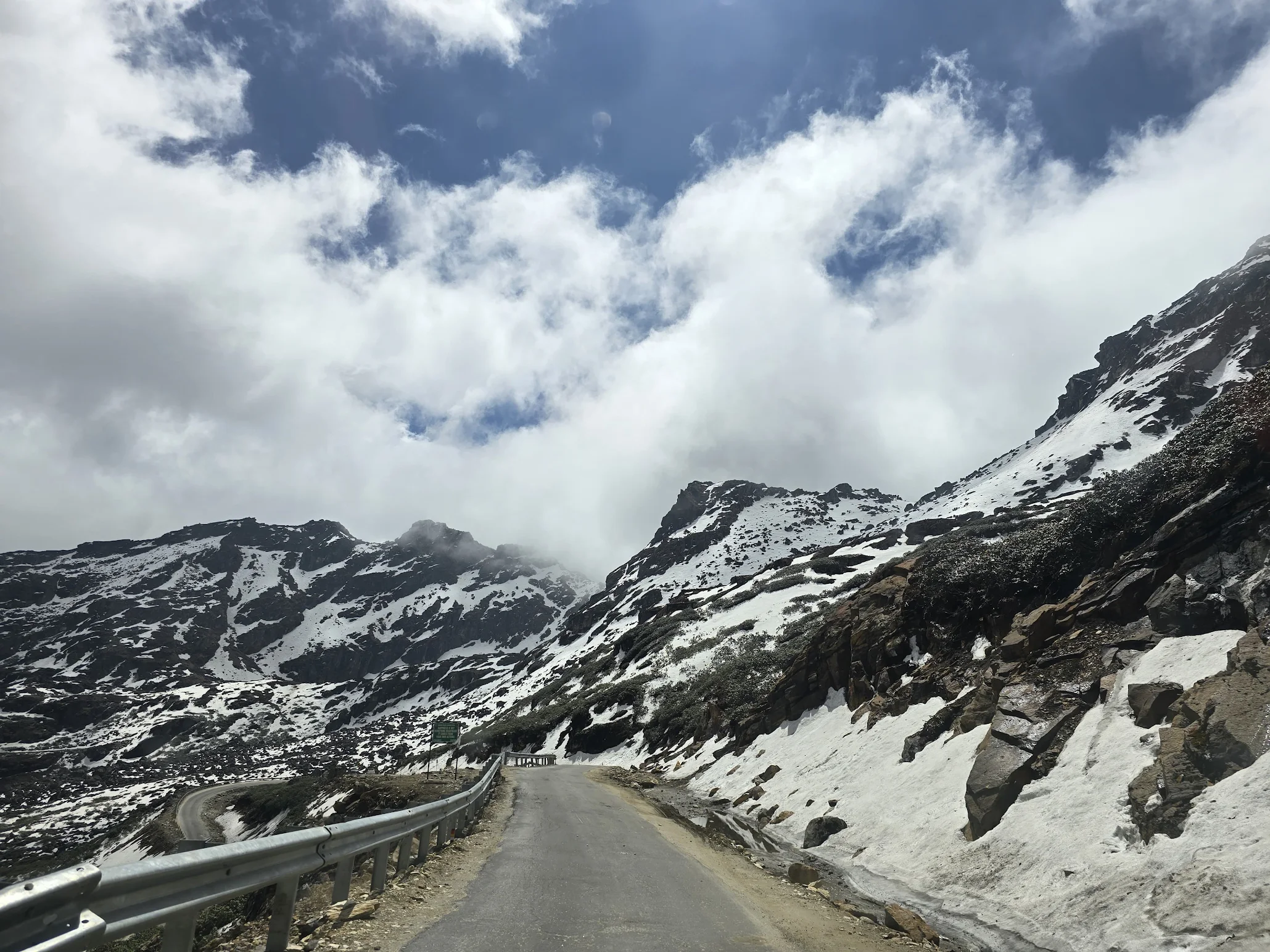
Unlike a Shillong or Dawki trip, Tawang isn't a destination you reach in one push. The route runs Guwahati → Tezpur → Bhalukpong → Bomdila → Dirang → Sela Pass → Tawang, and while the total distance is a manageable 500 to 550 km, the road climbs from near sea level to over 13,700 feet and back down again, which is precisely why the journey is planned across two travel days each way rather than treated as a long day-trip.
That altitude swing is the real reason a Tawang trip needs more planning than distance alone suggests. Push straight from Guwahati to Tawang in one day and you'd be driving 14 to 16 hours on winding hill roads, arriving exhausted at 10,000 feet with no time to acclimatise — which is exactly the kind of shortcut that ends up costing more later, in the form of a rough first night or a missed early start the next morning.
What Really Decides Your Tawang Trip Cost
Rather than quote you a number that would be wrong the moment your dates or group size changed, here's what our own quoting process actually weighs — the levers that swing a Tawang trip's cost the most, in roughly the order we check them.
Season & Weather Window
Peak months (April–June, October–November) carry firmer hotel and vehicle rates simply on demand. Winter can mean lower footfall but also last-minute rerouting if snow closes a side road, which affects planning more than the base price.
Days on the Ground
Every extra night is another hotel stay, another day of vehicle hire, and another day of driver allowance. A rushed 5-day version and an unhurried 7-day version of the same circuit are simply not the same product.
Vehicle Type & Group Size
A shared Sumo, a private SUV, and a Tempo Traveller for a larger group all carry different per-day hire rates — and a bigger group splitting one vehicle usually works out cheaper per head than two smaller cars doing the same route.
Accommodation Grade
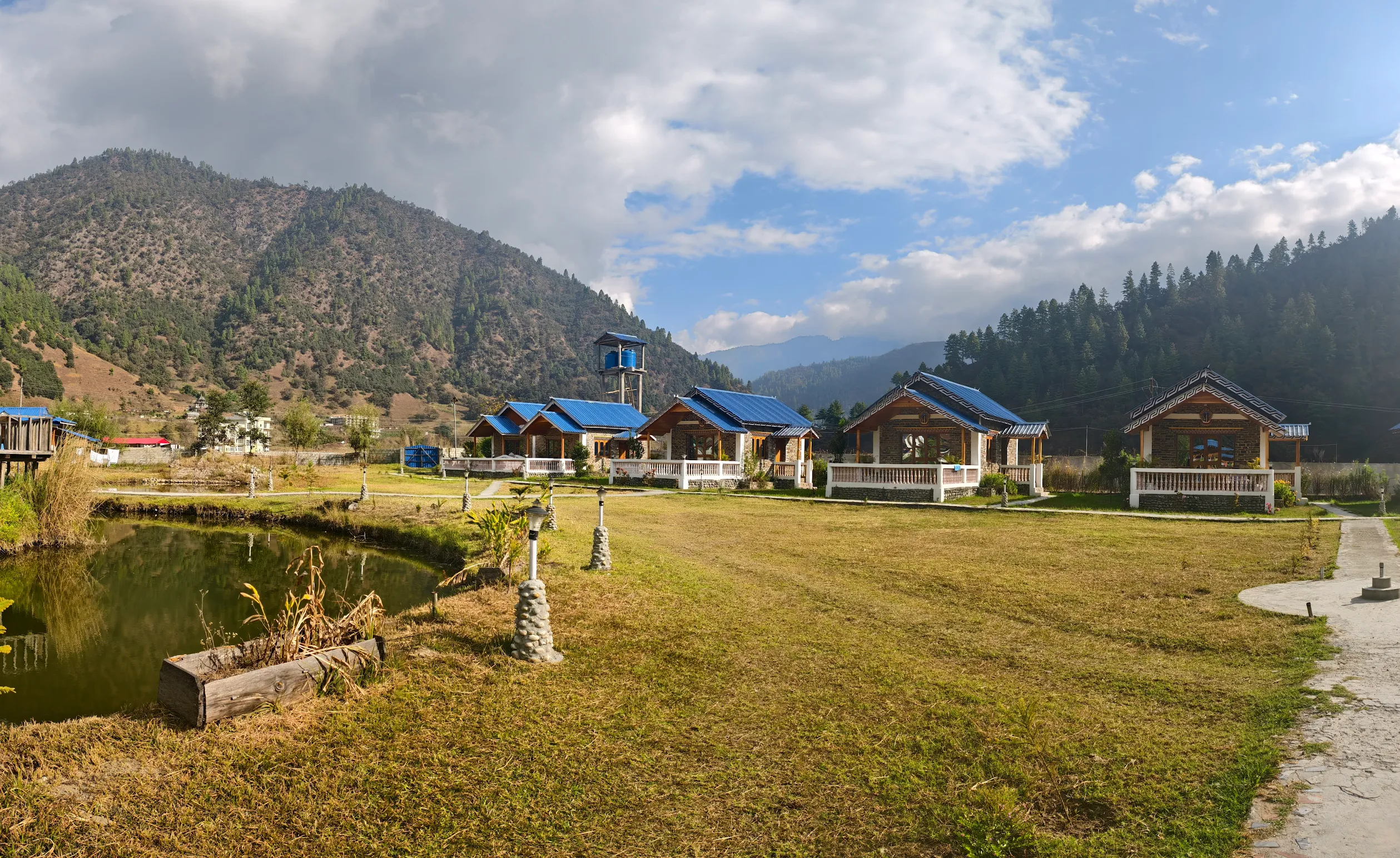
Bomdila, Dirang and Tawang all range from simple guesthouses to comfortable heated hotels. The gap between the two grades is usually the single biggest swing factor after season and duration.
Bumla Pass Add-On
The border excursion needs its own vehicle arrangement and a Special Permit process, which is why it's usually priced and confirmed separately rather than bundled by default into every package.
Meal Plan
Breakfast-and-dinner (MAP) is the norm on this route since lunch stops happen wherever you are on the road. Upgrading to full board or adding restaurant meals in town nudges the daily cost up modestly.
Permits & Documentation
The ILP itself is a nominal government fee, and PAP processing for foreign nationals is similarly modest. This is genuinely the smallest lever on the list — don't let permit talk make the trip sound pricier than it is.
Weather Contingency
A landslide-triggered reroute, an extra night waiting out weather at Sela, or a change of plan around Bumla all sit as possible (not guaranteed) add-ons. Good operators flag this upfront rather than after the fact.
A published "starting from" figure almost never matches what you'll actually pay, because it's usually built around the cheapest season, the smallest vehicle, and the most basic room — and it quietly excludes the Bumla add-on most travellers end up wanting anyway. We'd rather ask you five quick questions and hand you a real, itemised quote than hand you a number that changes the moment you tell us your actual dates.
Choosing How Many Days to Give Tawang
Because the drive itself eats up two full days each way, the duration you choose has an outsized effect on how relaxed — and how expensive — the trip feels. Here's how the common durations compare.
| Duration | Best for | Duration | Best for | Duration | Best for |
|---|---|---|---|---|---|
| 5N6D Compact circuit |
Travellers on a tight calendar who accept a single overnight each way (Dirang only) and skip the Bumla excursion entirely to keep both legs short. | 6N7D Recommended |
First-time visitors who want two full nights in Tawang — one for the monastery and town, one for the Bumla/Madhuri Lake excursion — without a rushed drive. | 7N8D Comprehensive |
Travellers adding a Nameri wildlife stop near Tezpur on the way back, or a second free day in Tawang for the Torgya/Losar festival calendar if dates align. |
| Trade-off: Bumla Pass is almost always dropped at this length, and the long driving days can feel gruelling back to back. | Trade-off: None significant — this is the length most Tawang-specialist operators build around by default. | Trade-off: The extra day adds cost for a genuinely unhurried pace rather than new sights, so it suits travellers who value breathing room over ticking off more places. | |||
Shorter than 5N6D is technically possible but rarely advisable — you'd spend more hours driving than actually being in Tawang, which defeats the point of going at all.
A Realistic 7-Day Tawang Plan from Guwahati
This is the 6-night, 7-day version — the one we recommend by default because it gives the altitude, the road, and the monastery all the time they actually need.
Shorter or Longer? What Changes
Drop to 5N6D and the Bumla/Madhuri excursion is usually the first thing to go, since it needs its own full day. Extend to 7N8D and the extra day typically becomes a wildlife stop at Nameri National Park near Tezpur on the return leg, or simply a second unhurried day in Tawang if your travel dates happen to fall near Losar or Torgya.
Places That Shape a Tawang Trip
Swipe through the stops that anchor almost every well-planned Tawang itinerary, roughly in the order you'll reach them.
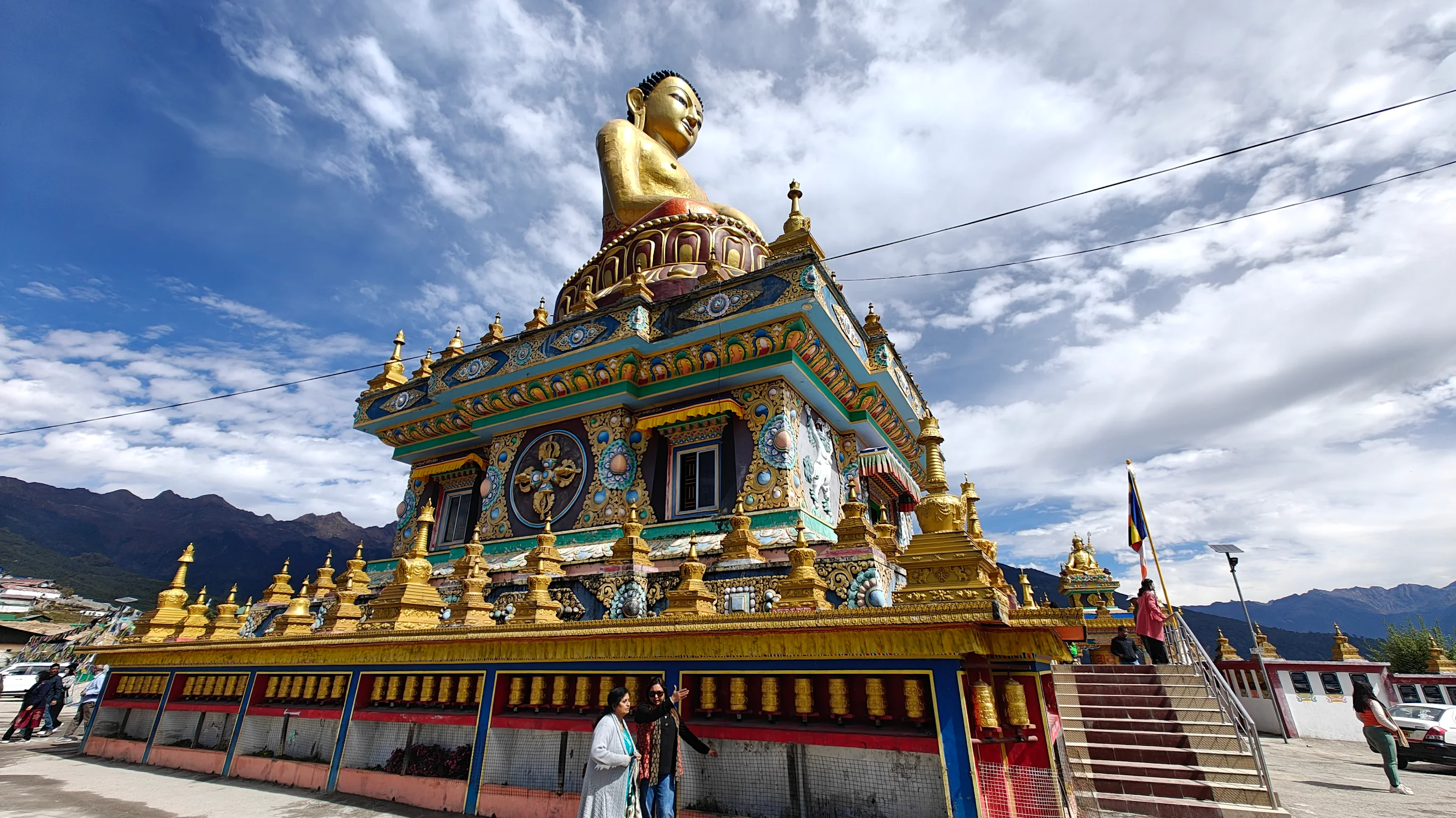
Tawang Monastery
Founded in the 1680s, this is the largest monastery in India and the second-largest in the world after Lhasa's Potala Palace, home to several hundred monks and centuries-old manuscripts.
Spiritual Heart
Sela Pass & Sela Lake
At 13,700 ft, this is the highest point on the route — a glacial lake beside the pass, prayer flags snapping in thin mountain air, and (since 2024) an all-weather tunnel running beneath it.
Highest Point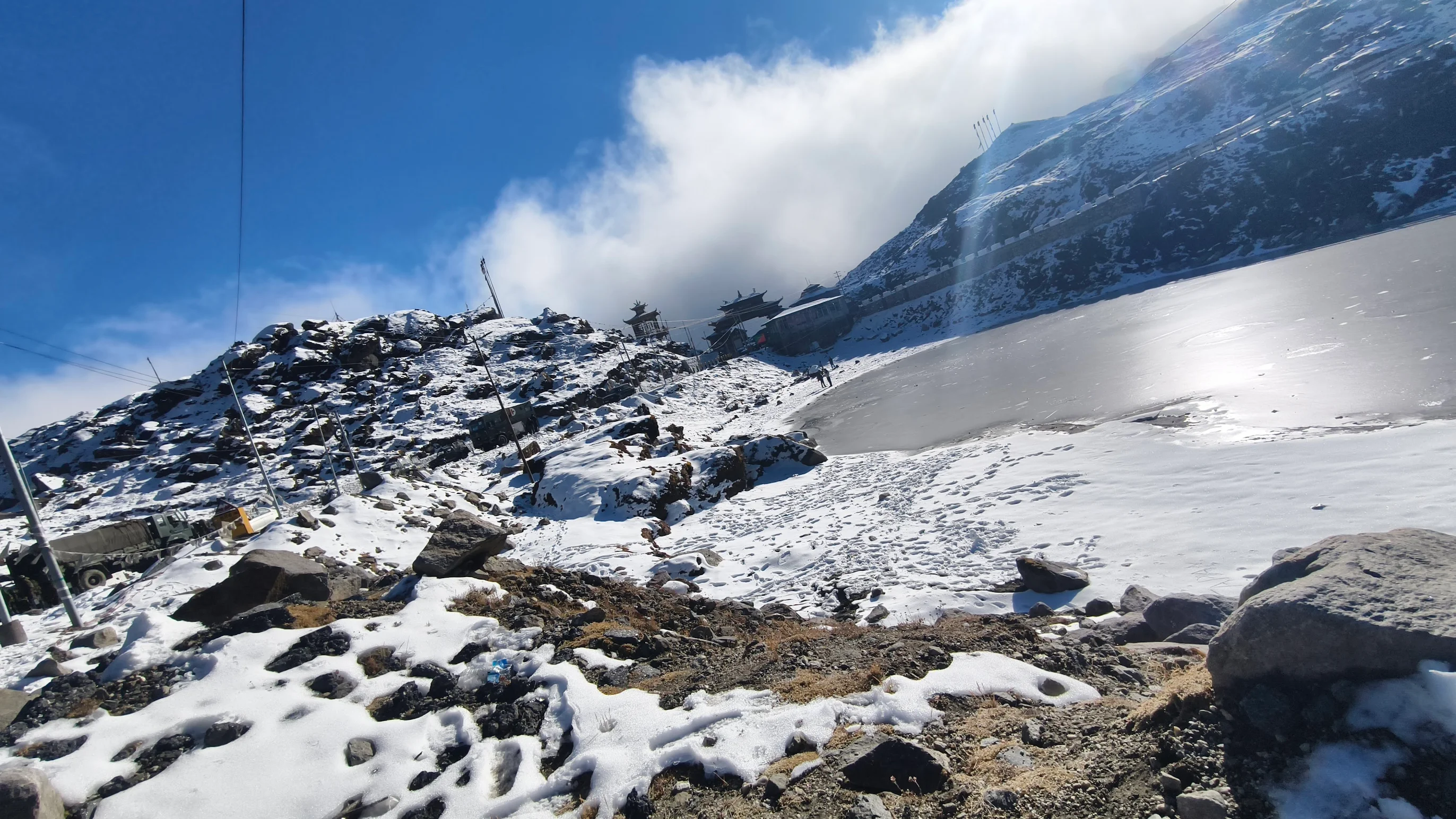
Madhuri Lake (Sangetsar)
Formed after a mid-1900s earthquake and named for a Bollywood shoot years later, this high-altitude lake's bare tree stumps make it one of the most photographed spots near Tawang.
Surreal Lake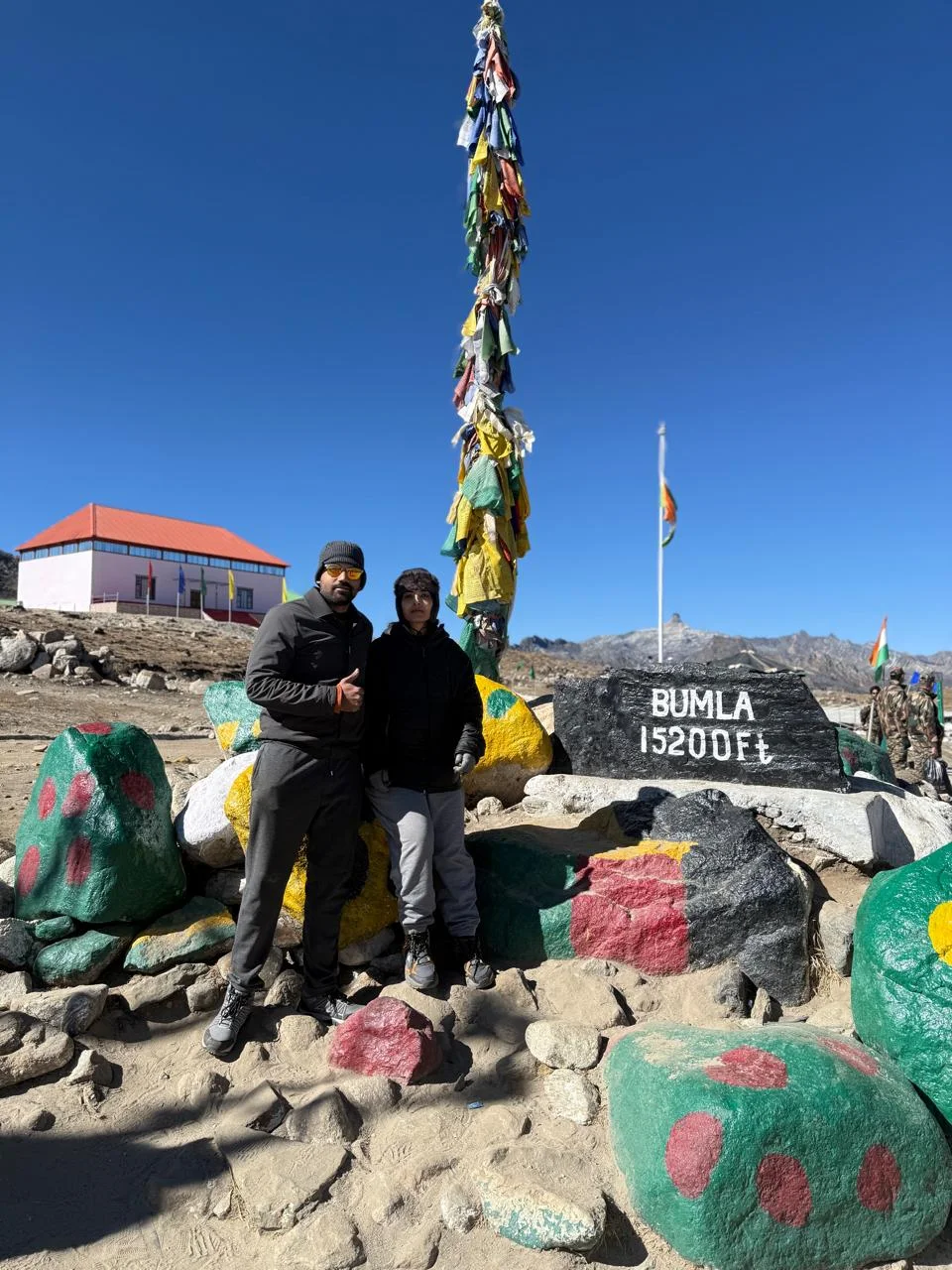
Bumla Pass
A border pass at roughly 15,000 ft dividing India and Tibet, accessible only with a Special Permit and mostly to Indian nationals. Weather-dependent, and worth building flexibility around.
Border Excursion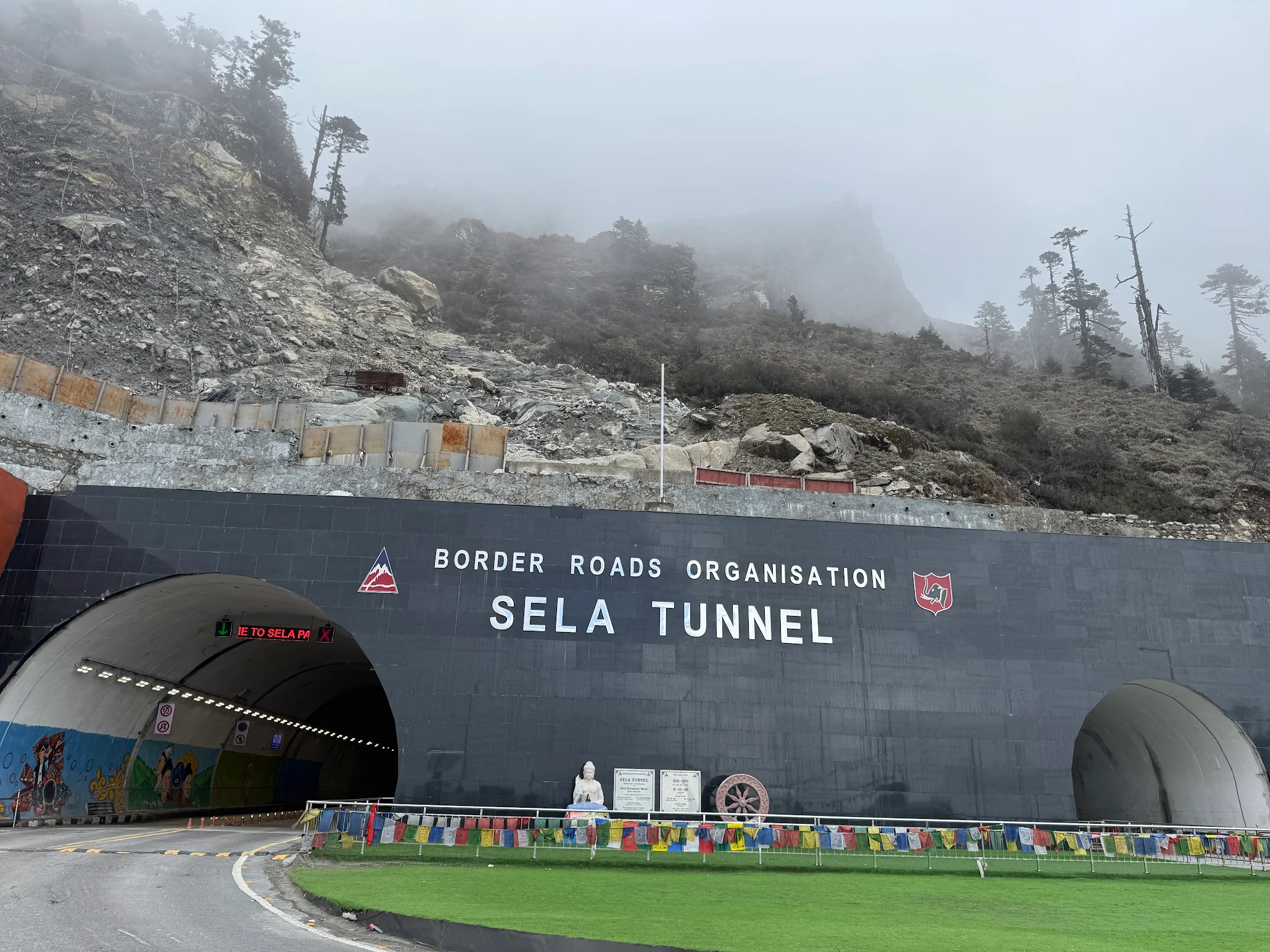
Jaswant Garh War Memorial
A memorial near Sela Pass honouring a soldier's stand during the 1962 war — a quiet, moving stop that most itineraries build into the drive rather than treat as a separate excursion.
War Memorial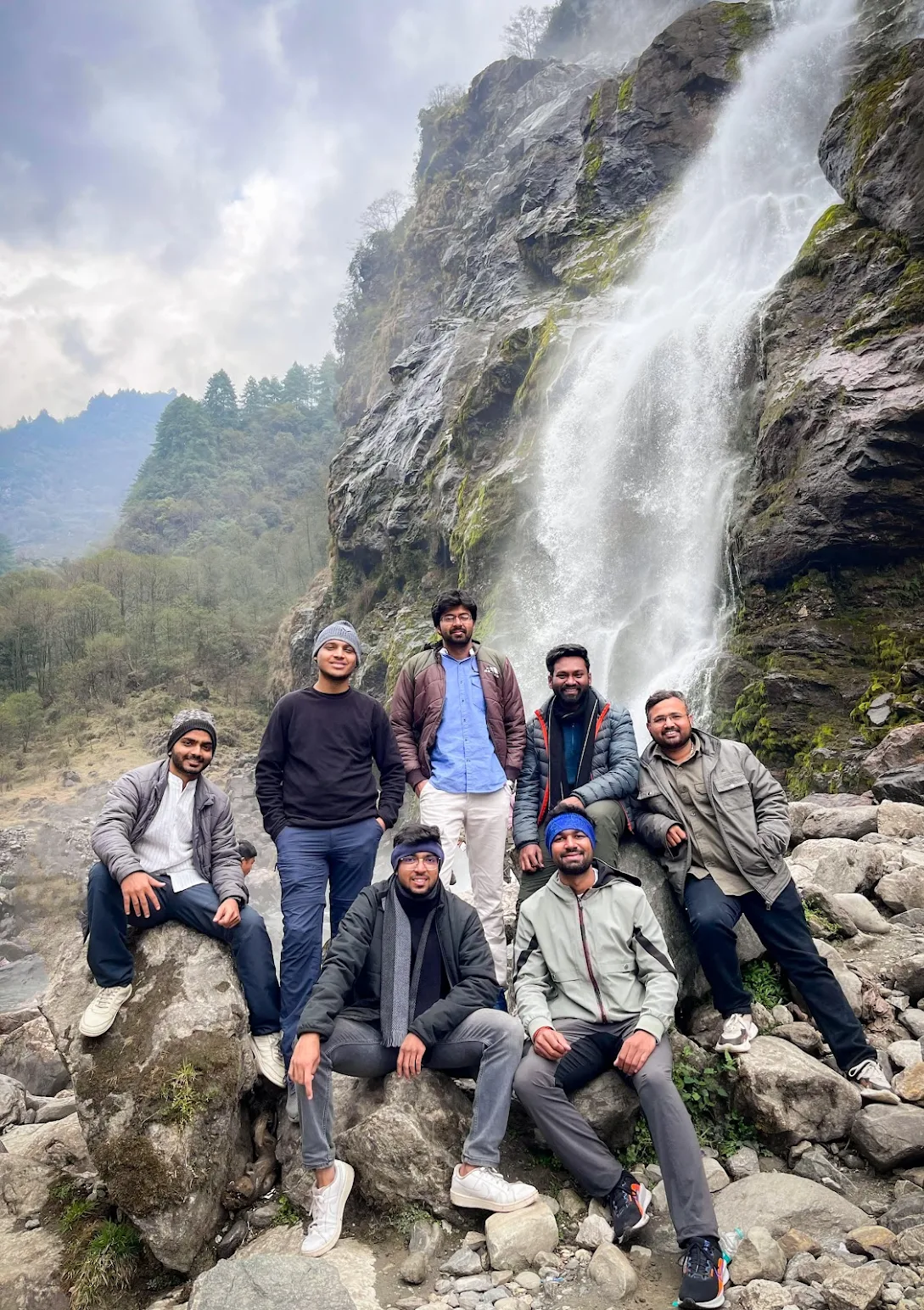
Nuranang (Jang) Falls
A powerful waterfall dropping into a forested valley just off the main road, easily reached and one of the more dramatic roadside stops on the way into Tawang.
Roadside Waterfall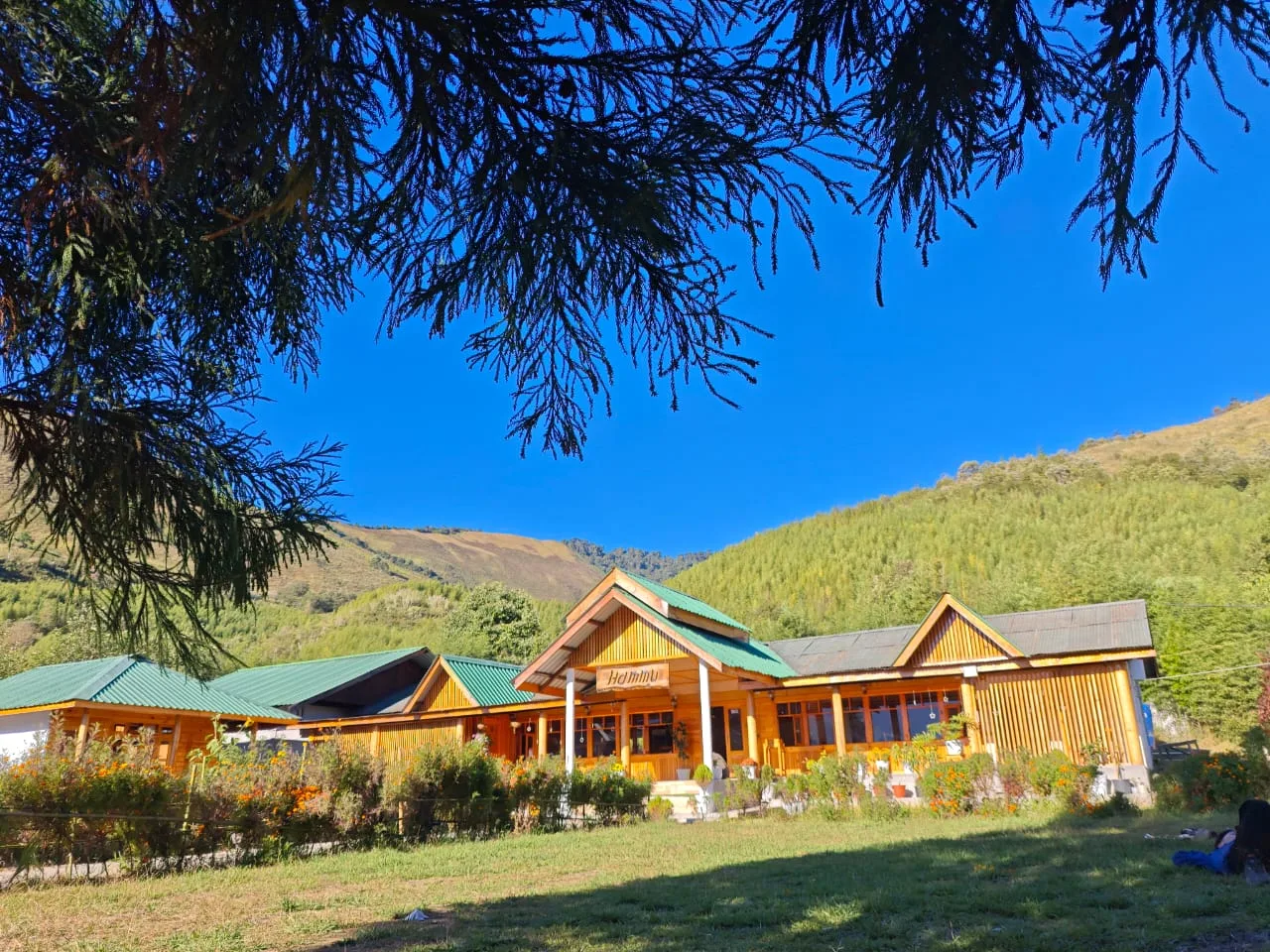
Dirang Valley
A relaxed stop known for its hot spring, yak breeding farm, and orchard-lined valley — a good place to acclimatise on the way up or unwind on the way back down.
Rest Stop
Bomdila
The first proper hill town on the route, with its own monastery, apple orchards, and a market that's a good introduction to Monpa and Sherdukpen craft traditions.
First Hill Town← Scroll to see all eight stops →
Permits — What Tawang Actually Requires
This is the one place a Tawang trip differs sharply from a Meghalaya or Shillong trip: Arunachal Pradesh is a protected region, and entry requires official permission. It's routine, inexpensive, and rarely a source of delay if it's arranged in advance — but it does need to be arranged.
- Inner Line Permit (ILP) required. Every Indian citizen who isn't a native of Arunachal Pradesh needs one to enter the state, including Tawang. It's routine and rarely a hurdle — treat it as paperwork, not a barrier.
- Apply online or offline. The state's ILP portal handles e-ILP applications, or you can apply in person at the resident commissioner's offices in Guwahati or Tezpur, or at the checkpost itself in a pinch.
- What you'll need: a valid government photo ID (Aadhaar, voter ID, driving licence or passport) and a passport-size photograph. Approval is typically quick, but apply a few working days ahead of travel to avoid last-minute stress.
- Bumla Pass needs an extra Special Permit. This is arranged locally in Tawang with Indian Army coordination and is separate from your ILP — plan for it to be confirmed only a day or two before the excursion.
- Protected Area Permit (PAP) required instead of an ILP, since Arunachal Pradesh falls under the Protected Area regime for foreign visitors.
- Group travel is typically required. Foreign nationals generally need to travel in a group of at least two, and the PAP is usually arranged through a registered tour operator rather than independently.
- Apply well ahead of travel. PAP processing takes longer than the Indian ILP, so build this into your planning timeline rather than leaving it for the week before departure.
- Bumla Pass is generally not accessible to foreign nationals given its location directly on the international border. Madhuri Lake and Sela Pass usually serve as the equivalent high-altitude highlights instead.
Permit fees for a Tawang trip are genuinely nominal — a routine government charge, not a meaningful line item in your overall budget. If a quote you've received attributes a large chunk of the total cost to "permits," it's worth asking for a clearer breakdown.
Best Time to Visit Tawang — and How the Season Moves the Cost
Season affects a Tawang trip more than most Northeast India routes, because it changes three things at once: how the mountains look, how the road behaves, and how much demand pushes against vehicle and hotel availability.
April to June and October to November are the two windows most Tawang-focused operators recommend by default — clear Himalayan views, a good chance Bumla Pass stays open, and the least chance of a weather-forced reroute. Winter (December–February) rewards travellers chasing snow-covered monasteries and a frozen Sela Lake, and the Sela Tunnel now keeps the main road open through the season, but sub-zero mornings and a higher chance of the Bumla add-on being called off are worth planning around. Monsoon (July–September) carries the highest landslide risk on the hill sections and is the one window we'd steer most travellers away from unless your dates are fixed and you can accept flexible rerouting.
What's Usually Bundled Into a Tawang Package — and What Isn't
Comparing two quotes only makes sense if they're built the same way. Here's what's typically bundled into a standard Tawang trip cost, and what almost always sits outside it.
✅ Usually Included
- Private vehicle for the entire circuit, door to door from Guwahati
- Driver charges, fuel, tolls and parking for the itinerary as planned
- Hotel or guesthouse stays as per the chosen accommodation grade
- Daily breakfast and dinner (MAP plan) at most stops
- ILP arrangement assistance and guidance on documentation
- Sightseeing exactly as listed in the confirmed day-by-day plan
❌ Usually Excluded
- Flights or train travel to and from Guwahati
- Lunch and any meals outside the stated plan
- Monastery, museum or memorial entry fees and camera charges
- The Bumla Pass Special Permit and its dedicated vehicle arrangement
- Travel insurance, tips, and personal expenses
- Any cost from weather-forced rerouting or extra nights beyond the plan
Ready to See Your Actual Tawang Trip Cost?
Tell us your travel dates, group size and comfort level, and our Northeast India team will send back a real, itemised quote — including whether Bumla Pass is realistically open for your dates — free, within 24 hours.
How to Keep Your Tawang Trip Cost-Efficient
None of this means cutting corners on safety or comfort at altitude — it's about spending on the things that matter for this specific trip and trimming the things that don't.
Travel in a group large enough to fill one vehicle properly
Aim for the shoulder edges of the best-time windows
Apply for your ILP well ahead of travel
Decide on Bumla Pass before you compare quotes
Match accommodation grade before comparing operators
Avoid locking dates during Losar or Torgya unless you specifically want them
Book with an operator who actually runs this specific route
Monpa Culture, Food & Festivals
Tawang's identity is shaped almost entirely by the Monpa community and the Tibetan Buddhist tradition they've carried here for centuries. Tawang Monastery itself — founded in the 1680s under the blessing of the 5th Dalai Lama — sits at the centre of that world, and a visit lands differently once you understand what surrounds it.
What to Eat in Tawang
The food here has more in common with the Tibetan plateau than with the rest of Northeast India. Thukpa, a warming noodle soup, and momos are the easiest entry points, found at almost every small eatery in town. Zan, a millet or barley porridge, is the traditional staple of Monpa households, usually served with a spicy chutney. Khapse, deep-fried sweet biscuits, appear especially around Losar, and a cup of salted butter tea is offered in homes much the way chai might be elsewhere — worth accepting even if the flavour takes a moment to adjust to.
Festivals Worth Timing a Trip Around
Torgya · January Losar · Feb–March Saka Dawa · May–June
Torgya, held each January at Tawang Monastery, centres on masked monastic dances performed to drive away misfortune for the year ahead — a striking, deeply ritual event if your dates happen to align. Losar, the Tibetan New Year, is the biggest celebration on the Monpa calendar, usually falling in late February or March, marked by family feasts, traditional games, and days of communal celebration across the town. Saka Dawa, observed around May or June, honours the birth, enlightenment and passing of the Buddha and is a quieter, more contemplative occasion.
Crafts Worth Seeking Out
Monpa artisans are known for hand-woven woollen carpets, wood-carved ceremonial masks used in monastic dances, and thangka paintings — Buddhist scroll art rendered in careful, vivid detail. The craft centre in Tawang town is the easiest place to see these traditions up close, and buying directly supports the same families keeping them alive.
Common Mistakes That Quietly Inflate the Cost
- Applying for the ILP at the last minute. It's cheap and usually fast, but a same-day scramble at Bhalukpong can cost you a delayed start and a compressed first driving day.
- Skipping the overnight break in Bomdila or Dirang. Pushing straight from the plains to Tawang's 10,000 feet in one day doesn't just feel rough — it risks the kind of altitude discomfort that can cost you your first sightseeing morning.
- Assuming Bumla Pass is a default inclusion. Confirm the Special Permit and add-on cost in writing rather than discovering the gap once you're already in Tawang.
- Comparing quotes with different accommodation grades or inclusions. A lower number often just means a more basic room or a shorter list of what's covered — ask for a like-for-like comparison before deciding.
- Not carrying enough cash. ATMs thin out sharply past Bomdila, and Tawang town's own machines aren't always reliable — treat cash as essential once you're past Dirang.
- Booking peak festival dates without expecting the premium. Losar and Torgya are wonderful times to be in Tawang, but hotel rates and vehicle availability tighten noticeably — go in with eyes open, or shift by a couple of weeks if the festival itself isn't the point.
- Ignoring winter road status before locking dates. The Sela Tunnel has made the route far more reliable in snow, but the older Sela Pass road can still see brief closures — check current status through your operator rather than assuming.
Frequently Asked Questions About Tawang Trip Cost from Guwahati
A Final Word on Planning a Tawang Trip
The honest reason nobody can hand you one number for "Tawang trip cost from Guwahati" is that no two Tawang trips are really the same trip. The road, the altitude, and the permit system all ask you to make a few real decisions upfront — how many days, which season, how many people, how much comfort — and the price simply follows from those choices. Make them deliberately, and the number stops feeling like a mystery and starts feeling like a plan.