
Why Tawang Should Be Your Next Trip from Guwahati
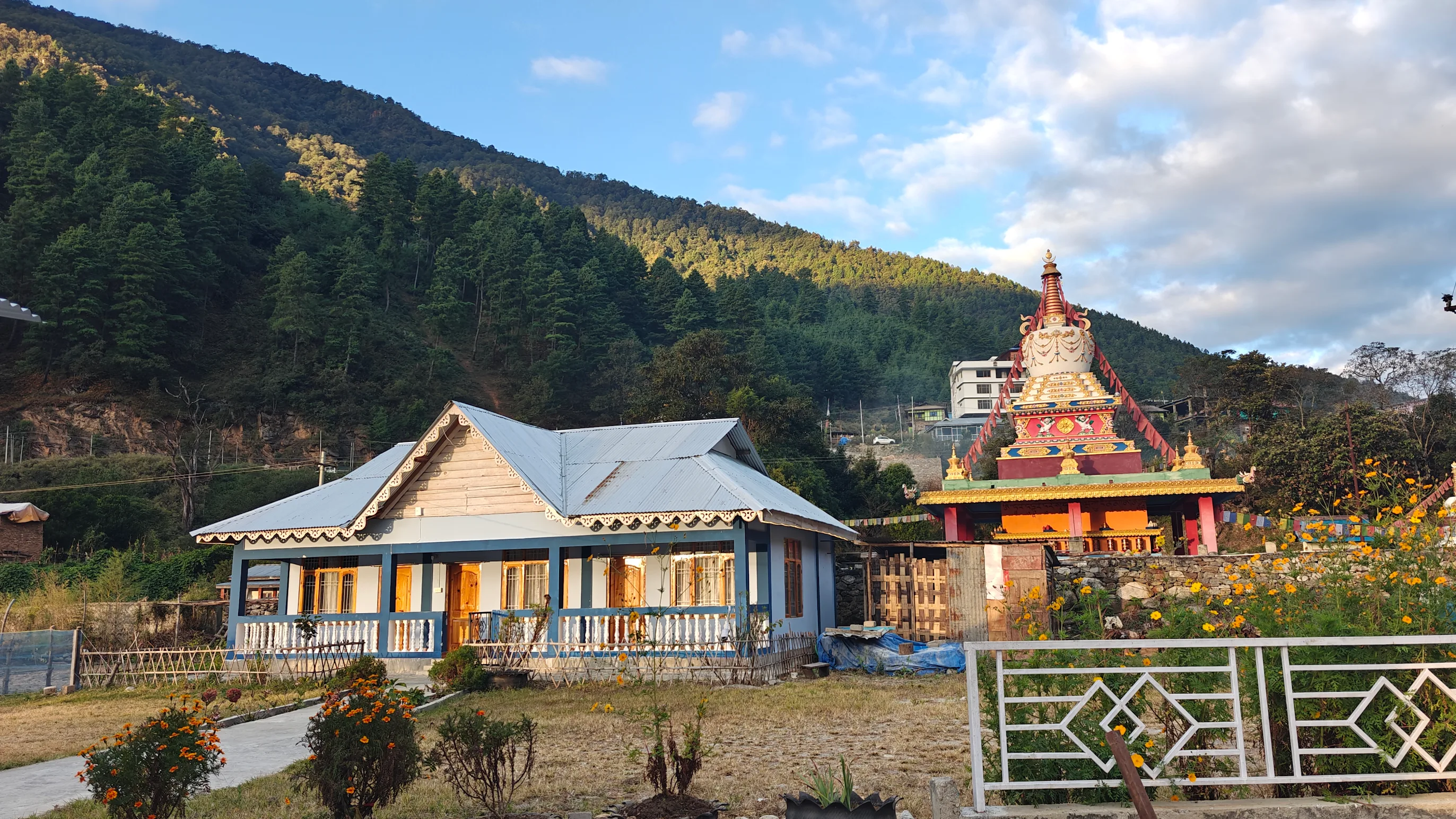
I've been helping people plan Tawang tour packages from Guwahati for years, and the thing they all have in common when they return is a particular look — a certain widening of the eyes when they try to describe what they saw. Tawang does that to people. It simply doesn't look like anywhere else in India. Sitting at the far western corner of Arunachal Pradesh, bordered by Tibet to the north and Bhutan to the west, wrapped in high-altitude forest and perpetual mist, Tawang is its own universe entirely.
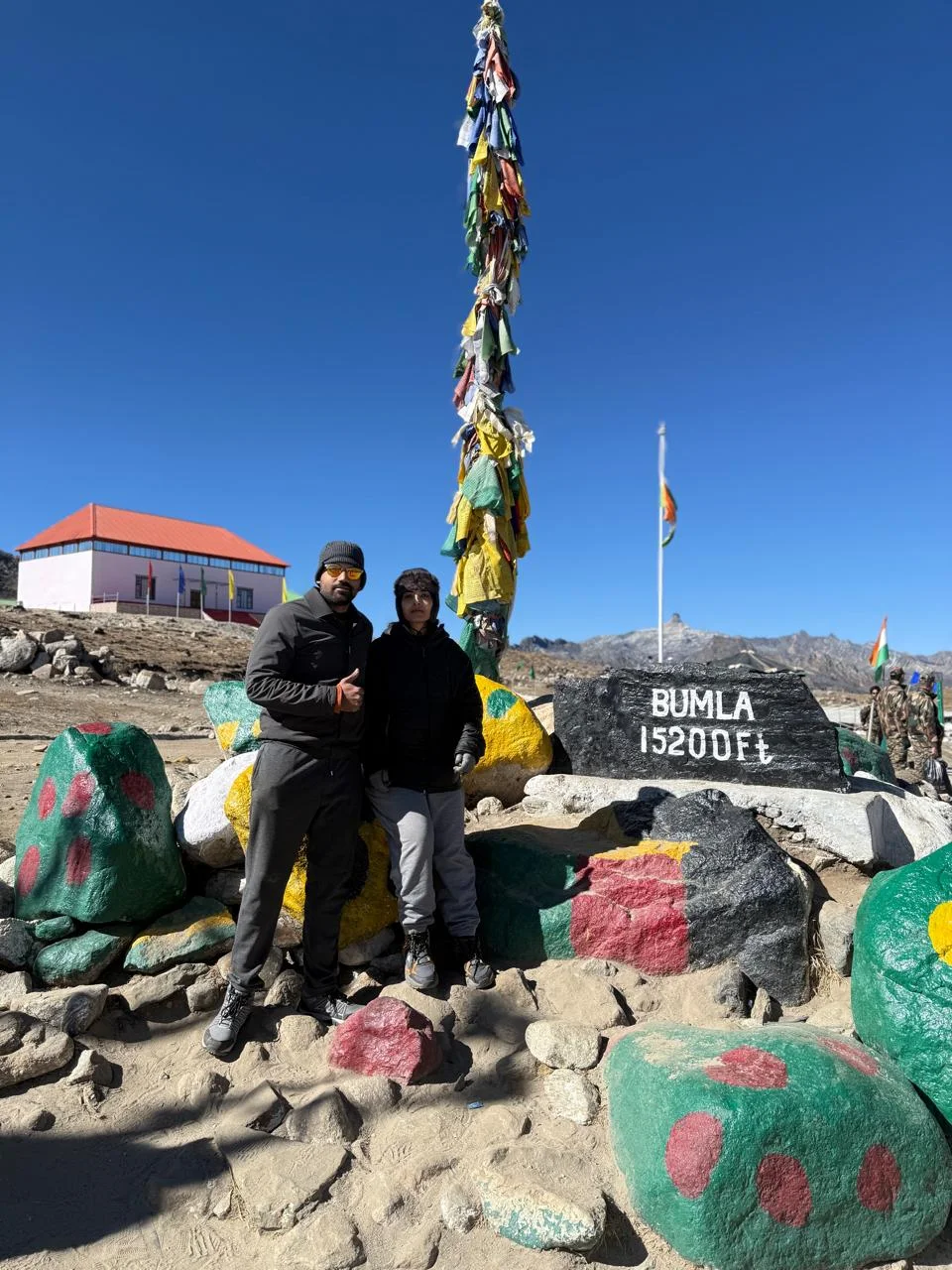
The numbers alone give you a sense of the scale: Tawang town sits at 3,048 metres (10,000 feet). The road there crosses Sela Pass at 4,170 metres (13,700 feet) — higher than any road in Europe. Bum La Pass, which you can visit on a day trip, sits at 4,633 metres (15,200 feet), where Indian and Chinese soldiers stand in careful proximity at the Line of Actual Control. The Tawang Monastery was built in 1681 and is the largest Buddhist monastery in India, second only to Lhasa's Potala Palace in the entire Buddhist world. And the 6th Dalai Lama — Tsangyang Gyatso, one of the most beloved figures in Tibetan Buddhist history — was born just outside Tawang town at a small monastery called Urgelling.
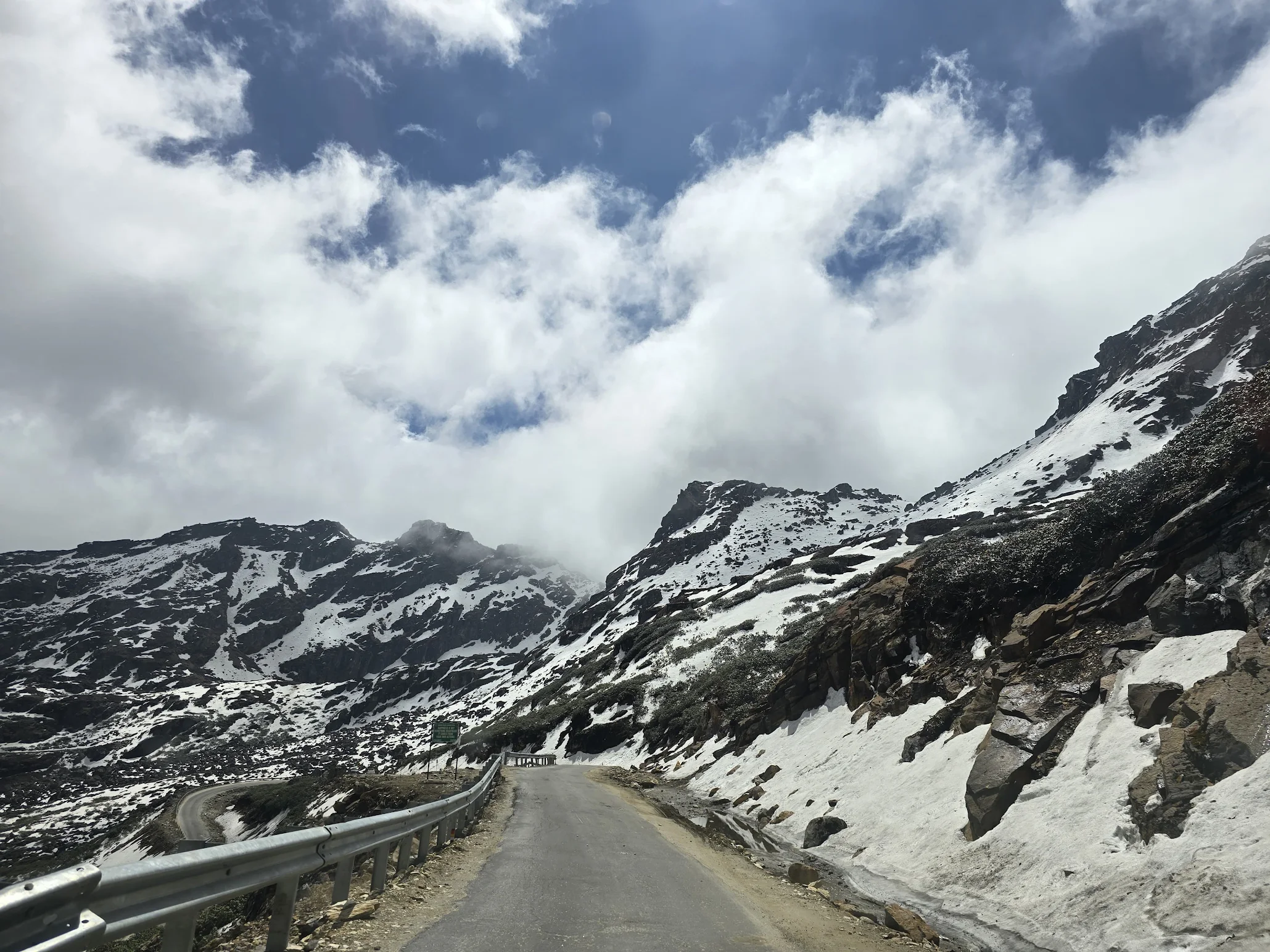
None of this comes easy. Getting to Tawang from Guwahati takes two full days of driving — roughly 560 kilometres on mountain roads that demand your full attention and reward it with scenery that will ruin other landscapes for you. Waterfalls appear without warning from cliff faces. Clouds sit below the road level. The Kameng River roars through gorges far below. Prayer flags snap in winds you can feel in your chest. Every hour of the drive, India gets stranger and more beautiful.
In this guide, we cover everything you need to plan a great Tawang tour package from Guwahati — the right duration, the best itineraries, every major place worth visiting, the ILP permit process (it's simpler than you think), altitude tips, what to pack for Himalayan weather, the food and culture of the Monpa people, and the practical details that separate a stressful trip from an unforgettable one.
Tawang Tour Package Options at a Glance
The first thing to understand about planning a Tawang tour package from Guwahati is that distance and time work differently here. The road from Guwahati to Tawang covers roughly 560 kilometres, but given the terrain — jungle foothills transitioning into high-altitude mountain roads — it takes two solid days of driving to reach Tawang comfortably. Two more days are needed for the return. That leaves the middle days for actually exploring Tawang, which means a bare minimum of 6 days is needed to do it any justice at all.
We'll be direct: many operators offer "Tawang 5 nights 6 days from Guwahati" packages — and that is genuinely the minimum. But the travellers who come back glowing are almost always the ones who took 7 or 8 days. Bum La Pass, Madhuri Lake, and Zemithang Valley are not things you can squeeze in — they each deserve their own day, and rushing them is both pointless and exhausting on mountain roads. Below is an honest look at what each duration can realistically achieve.
- Day 1: Guwahati → Bhalukpong
- Day 2: Bhalukpong → Dirang via Bomdila
- Day 3: Dirang → Sela Pass → Tawang
- Day 4: Tawang city (Monastery, War Memorial, Urgelling)
- Day 5: PT Tso + Madhuri Lake excursion; drive to Bomdila
- Day 6: Bomdila → Guwahati
- Day 1: Guwahati → Bhalukpong
- Day 2: Bhalukpong → Dirang (via Bomdila)
- Day 3: Dirang → Sela Pass → Tawang
- Day 4: Tawang Monastery, Urgelling, War Memorial
- Day 5: Bum La Pass + PT Tso + Madhuri Lake
- Day 6: Tawang → Dirang (start return, overnight)
- Day 7: Dirang → Guwahati
- Day 1: Guwahati → Bhalukpong
- Day 2: Bhalukpong → Dirang (Sangti Valley detour)
- Day 3: Dirang → Nuranang Falls → Tawang
- Day 4: Tawang full city day
- Day 5: Bum La Pass + PT Tso + Madhuri Lake
- Day 6: Zemithang Valley + Gorsam Chorten
- Day 7: Tawang → Dirang (overnight)
- Day 8: Dirang → Guwahati
- Day 1: Guwahati → Eaglenest buffer zone
- Day 2: Eaglenest birding → Bhalukpong → Dirang
- Day 3: Dirang → Sela Pass → Tawang
- Day 4: Tawang city sightseeing
- Day 5: Bum La Pass + PT Tso + Madhuri Lake
- Day 6: Zemithang Valley + Gorsam Chorten
- Day 7: Free day / explore Tawang town
- Day 8: Tawang → Bhalukpong (overnight)
- Day 9: Bhalukpong → Guwahati
- Day 1–8: Full Tawang circuit (all zones)
- Day 9: Transfer to Kaziranga (Assam), evening safari
- Day 10: Morning Kaziranga jeep safari → return Guwahati
If you only have 5 nights, you can have a genuinely wonderful Tawang trip — but be realistic about what you'll cover. Bum La Pass requires a separate permit arranged in Tawang town and is best done on a dedicated day. Don't try to combine it with Zemithang on the same day — both deserve proper time, and mountain roads don't forgive rushed schedules. Choose one if you're on the 5N6D plan.
Day-by-Day Itineraries for Your Tawang Tour Package from Guwahati
The Classic: 5 Nights / 6 Days Tawang Tour Package from Guwahati
This is the most common Tawang tour duration and it works well if you plan it carefully. The key is to start early each day — mountain roads slow everything down, and late starts compound into late arrivals. Here is what a well-planned 5N6D Tawang itinerary looks like from Guwahati:
The Recommended: 7 Nights / 8 Days Tawang Tour Package from Guwahati
This is the itinerary we most enthusiastically recommend, because it adds the two experiences that truly cannot be rushed: Bum La Pass (a once-in-a-lifetime border experience that needs proper permit time) and Zemithang Valley (a remote, barely-visited valley that may be the most beautiful place in all of Tawang district).
Going Deeper: 8N9D and Longer Tawang Tour Packages
With 9 days or more, you can add Eaglenest Wildlife Sanctuary to the beginning or end of your Tawang tour. Eaglenest sits in the hills just above Bhalukpong and is one of Asia's premier birding destinations — over 850 species have been recorded here, including numerous species found nowhere else on Earth. Even non-birders find it remarkable: the forest is ancient and dense, the calls are constant and extraordinary, and the light filtering through the canopy in the morning is something photographers travel from across the world to capture.
A 9N10D Tawang package can also incorporate two days at Kaziranga National Park in Assam — giving you Indian one-horned rhinos at dawn in the grasslands and 400-year-old Buddhist monasteries at 10,000 feet in the same trip. These two ecosystems and cultures are so different from each other that experiencing them back to back produces a kind of happy disorientation that is one of Northeast India's greatest gifts to its visitors.
Top Places to Visit on Your Tawang Tour Package
Tawang district is compact by Himalayan standards, but every kilometre holds something worth seeing. Here are the places that should anchor any Tawang tour package from Guwahati — arranged roughly in the order you'll encounter them on the route.
Tawang Monastery
India's largest Buddhist monastery, founded in 1681. A walled city of prayer halls, courtyards, and ancient Tibetan scriptures housing 300+ monks. The golden Buddha, butter lamps, and valley views from the upper terrace are unforgettable.
CentrepieceSela Pass
At 13,700 ft (4,170 m), this is one of India's highest motorable passes. Snow-covered even in summer, Sela Lake glimmers blue beside the road. The scenery above the treeline is raw and spectacular, unlike anything in the Himalayan foothills below.
Iconic PassBum La Pass
At 15,200 ft, this India-China border pass is one of the most extraordinary places an Indian tourist can legally stand. Requires a special permit and is open to Indian nationals only — but the experience is in a category entirely its own.
Once in a LifetimeNuranang Falls (Jung Falls)
A 100-metre waterfall near the village of Jang, just off the main Tawang highway. Thunderous, lush, and heavily undervisited. One of the most powerful waterfalls in the eastern Himalaya, and almost nobody stops here.
Hidden GemPT Tso (Sangetsar) Lake
A high-altitude glacial lake at over 12,000 ft on the road to Bum La. Perfectly still, deeply cold, and surrounded by snow-capped peaks on all sides. A landscape that stops conversation and starts reflection.
High Altitude WonderMadhuri Lake (Shonga-tser)
Named after Bollywood actress Madhuri Dixit, who filmed a famous song here in 1997. The lake's turquoise water, surrounded by dead pine trees and snow peaks, creates one of the most surreal landscapes in all of Arunachal Pradesh.
Most PhotographedTawang War Memorial
A beautifully maintained memorial to the 2,420 soldiers of the Indian Army who lost their lives in the 1962 Sino-Indian War. Quiet, moving, and important — an essential stop on every Tawang itinerary regardless of your interest in military history.
Must VisitZemithang Valley
One of Tawang's least-visited and most extraordinary corners — a broad, open valley near the Bhutan border, anchored by the ancient Gorsam Chorten stupa. Tibetan in character, spectacular in scale, and almost completely off the tourist trail.
Off the Beaten PathDon't Skip These — The Underrated Places on Any Tawang Tour
Most packages cover the main circuit. These places take minimal extra effort but are consistently rated as highlights by people who include them:
- Urgelling Monastery — The small, serene gompa where the 6th Dalai Lama was born in 1683. Far fewer visitors than Tawang Monastery, far more contemplative atmosphere. The elderly monks here are wonderfully hospitable to respectful visitors.
- Sangti Valley near Dirang — A quiet, photogenic valley with apple orchards, a clear river, and one of the few places in India where you can see black-necked cranes (seasonal, October–February). Completely unknown to most visitors.
- Jaswantgarh War Memorial — Between Sela Pass and Tawang town, this memorial to Rifleman Jaswant Singh Rawat (who held off a Chinese regiment alone in 1962) is one of the most moving military sites in India. Most drivers know the story; ask yours to tell it.
- Bomdila Monastery — Often rushed through en route to Dirang, but this three-tiered monastery deserves a proper hour. The views from the upper level across the Himalayan foothills are superb, and the monastery is home to an active monastic school.
- Tawang Craft Centre — Watch Monpa artisans at work on traditional hand-knotted woollen carpets and thangka paintings. This is not a tourist trap — it's a genuine working craft centre, and the carpets are among the finest traditional textiles produced in Northeast India.
Best Time to Visit Tawang from Guwahati
Tawang's altitude shapes everything about when to visit. At 10,000 feet, the town is significantly colder than most of India year-round. In winter, roads can close entirely due to snowfall at Sela Pass. In monsoon, landslides are a genuine danger on NH-13. The windows of reliably good weather are defined — and if you miss them, the trip becomes a very different kind of adventure.
| Month | Season | Weather at Tawang | Road Conditions | Verdict |
|---|---|---|---|---|
| Mar – May | Spring | 8–18°C, rhododendrons in full bloom, clear skies | Excellent | Best Time |
| Jun | Pre-monsoon | 12–20°C, first rains arriving, waterfalls building | Good, watch forecasts | Decent |
| Jul – Aug | Peak Monsoon | Heavy rain, mist, temperatures moderate | Landslide risk, avoid | Avoid |
| Sep – Nov | Post-monsoon | 5–15°C, crisp and clear, Tsechu festival Oct/Nov | Excellent | Best Time |
| Dec – Feb | Winter | –5 to 5°C, heavy snow, Sela can be blocked | Chains required, often restricted | Snow lovers only |
March to May and September to November are the two prime windows for a Tawang tour package from Guwahati. Spring brings rhododendrons that paint the hillsides in vivid red and pink from 6,000 ft upward — the drive through these forests is one of the most beautiful things you can experience on Indian roads. Post-monsoon brings crystal-clear skies, replenished waterfalls, and the annual Tawang Tsechu festival — typically held in October or November — when the monastery courtyard fills with masked cham dances performed by monks in traditional ceremonial costumes.
Winter travel to Tawang is possible but requires preparation and a degree of acceptance toward uncertainty. Sela Pass can be closed for days at a time by snowfall, and temperatures in Tawang town drop well below zero at night. The Sela Tunnel, inaugurated in March 2024, has improved winter connectivity significantly — providing an all-weather bypass around the most snowfall-prone section of the pass — but mountain weather is still mountain weather, and flexibility is essential.
How to Reach Tawang from Guwahati
By Road — The Only Real Way
There is no railway connection to Tawang, and civilian flights into Tawang's small airstrip are extremely limited. For all practical purposes, the road from Guwahati is how you get to Tawang — and the good news is that the road is an experience in its own right. This is not an inconvenience to be minimised; it is a core part of what makes a Tawang tour package from Guwahati memorable.
The route follows NH-13 from the Assam foothills into the hills of West Kameng and Tawang districts. Total distance: approximately 560 km. Total driving time: 14 to 16 hours — split over 2 days on the way there and 2 days on the return. The road passes through Bhalukpong → Bomdila → Dirang → Sela Pass → Tawang. Each stage has its own character and scenery, and each night stop (Bhalukpong on Day 1, Dirang on Day 2) is an interesting destination in itself.
The Sela Tunnel — A Game Changer
In March 2024, Prime Minister Modi inaugurated the Sela Tunnel — a 13-km all-weather tunnel system at 13,000 ft that bypasses the most snowfall-prone section of the Sela Pass highway. The tunnel has dramatically improved connectivity to Tawang in winter, reducing the risk of being stranded by sudden snowfall. It also cuts 30–45 minutes off the journey time. Most tour operators now include the tunnel in their standard routing.
By Air
The nearest major airport is Lokpriya Gopinath Bordoloi International Airport (LGBI), Guwahati — well connected to Delhi, Mumbai, Kolkata, Bengaluru, Hyderabad, and Chennai. Almost all Tawang packages begin and end in Guwahati. Alternatively, Tezpur (Salonibari Airport) is about 250 km closer to Tawang — some travellers fly Guwahati to Tezpur and begin the road journey from there, saving roughly 2 hours of driving.
Guwahati → Bhalukpong: 262 km | ~5–6 hours (ILP check at entry gate)
Bhalukpong → Bomdila: 95 km | ~3 hours
Bomdila → Dirang: 45 km | ~1.5 hours
Dirang → Sela Pass: 80 km | ~2.5 hours (climbing to 13,700 ft)
Sela Pass → Tawang: 78 km | ~2.5 hours
ILP & Permits — Everything You Need to Know for Tawang
Tawang sits within Arunachal Pradesh, which requires a special entry permit — the Inner Line Permit (ILP) — for all Indian nationals who are not residents of the state. This is perhaps the most asked-about aspect of a Tawang tour package from Guwahati, and the good news is that the process is genuinely simple and fast. It used to be bureaucratic; it is no longer.
Inner Line Permit (ILP) — For Indian Nationals
- Apply online: Visit innerline.arunachal.gov.in — the Arunachal Pradesh government's e-ILP portal. Fill in your name, trip dates, purpose, and upload a government-issued photo ID. Approval comes within minutes. Print it out or save to your phone.
- Apply in person: DC Office in Guwahati (near Shankardev Kalakshetra), Tezpur DC Office, or at the Bhalukpong entry gate itself — though applying at the gate adds time and stress to what is already a long travel day.
- Duration and cost: A standard ILP is valid for 30 days and costs approximately ₹100 for Indian nationals. Extensions are possible at DC offices within Arunachal Pradesh.
- Checkpoints: ILP is checked at Bhalukpong (entry), Bomdila, Dirang, and near Tawang. Carry it at all times — along with a physical copy of your photo ID. Digital ILP on your phone is accepted at most checkpoints but a printout is safer.
Bum La Pass — Additional Permit Required
- Bum La Pass requires a separate day permit obtained from the Deputy Commissioner's Office in Tawang town. This cannot be arranged from Guwahati in advance — you apply in Tawang.
- Requirements: Indian nationals only (foreign nationals are not permitted at Bum La Pass). Minimum group of 2 people. Most operators require 4+ persons. Permit is issued for a specific date and is non-transferable.
- Apply 1–2 days before your planned visit. Bring your ILP, photo ID, and passport-size photographs. A reputable local tour operator handles this paperwork as part of their service — if yours doesn't, ask them to arrange it.
- Weather caveat: Bum La Pass can be closed by sudden weather changes even on the day of visit. This is rare but possible. Your tour operator should have a backup plan (usually Madhuri Lake and PT Tso) for days when the pass is inaccessible.
For Foreign Nationals
Foreign nationals visiting Arunachal Pradesh require a Protected Area Permit (PAP) or Restricted Area Permit (RAP) from the Ministry of Home Affairs, Government of India. Tawang and much of Arunachal Pradesh near the international borders falls under restricted area rules. Foreign nationals should check the latest entry regulations and apply well in advance of travel — we recommend at least 3–4 weeks prior. Contact our team and we'll guide you through the current process.
What to Pack for Your Tawang Tour Package
Clothing — Layers Are Everything
- A heavy-duty fleece or down jacket is essential even in summer — nights in Tawang drop to 5–8°C in May and to below zero in winter. The monastery and War Memorial involve standing outdoors for extended periods, and cold sets in quickly.
- Thermal base layers for trips from October through March. At Sela Pass (13,700 ft) and Bum La (15,200 ft), temperatures can feel 10–15°C colder than in Tawang town due to wind chill.
- Light, breathable clothing for the Bhalukpong and Dirang stages (warm and humid). Tawang itself can be warm during daytime in spring and summer — you'll be layering on and off throughout the trip.
- Waterproof outer layer. Tawang can produce sudden showers even in dry season, and Sela Pass in particular has its own micro-weather.
Footwear & Altitude Essentials
- Sturdy walking shoes or light trekking boots. While Tawang doesn't require technical climbing gear, the paths at the monastery, War Memorial, and Zemithang are uneven and often wet.
- Altitude medication (Diamox / Acetazolamide) — Consult your doctor before the trip and carry it as a precaution. Many people experience mild altitude sickness when first reaching Tawang (10,000 ft) — headache, fatigue, shortness of breath. Start taking Diamox the day before ascending if your doctor advises.
- Sunscreen (SPF 50+) and UV-protective sunglasses. At high altitude, UV radiation is significantly stronger than at sea level. Snow reflection near Sela Pass can cause snow blindness without proper eye protection.
Practical Essentials
- Cash — carry plenty. ATMs in Tawang town are limited in number and frequently run out of cash. Bomdila has better ATM coverage; Bhalukpong has a few reliable ones. Beyond Bomdila, treat cash as king and carry enough for your entire Tawang stay before leaving Guwahati.
- Power bank (high capacity, 20,000+ mAh). Electricity supply in Tawang is generally reliable, but homestays and remote campsites may have intermittent power, especially in winter.
- Offline maps downloaded on Google Maps or Maps.me — mobile connectivity degrades significantly after Bomdila and disappears in valleys between passes. Your driver will know the road, but offline maps are useful for orientation at sights.
- A thermos flask. Butter tea from roadside stalls at Sela Pass is wonderful, but having hot tea in your thermos for the long stretches between passes is genuinely comforting.
Tawang Food, Culture & Customs
One of the quieter pleasures of any Tawang tour package from Guwahati is the cultural immersion that happens gradually as you climb higher into the mountains. By the time you reach Tawang, you are in a culture that is simultaneously deeply part of India and entirely unlike anywhere else in it. Understanding the basics before you arrive enriches everything you see.
The Monpa People — Tawang's Indigenous Guardians
The Monpa are the indigenous people of Tawang and West Kameng districts, with a history stretching back over 1,500 years in this region. Tibetan Vajrayana Buddhism is at the heart of Monpa culture — it shapes their calendar, their art, their agriculture, and their social life. The Tawang Monastery was built on Monpa land with Monpa hands, and the community's identity is inseparable from it. Monpa artisans are renowned for two traditional crafts that you can observe and purchase in Tawang: hand-knotted Monpa carpets (made on traditional looms using local wool, often featuring Buddhist geometric patterns) and thangka paintings (intricate Tibetan religious scroll paintings on cloth, which can take months to complete). These are among the finest traditional textiles and artworks produced anywhere in Northeast India, and buying directly from the Craft Centre ensures your money reaches the artisan communities.
What to Eat in Tawang
- Thukpa — A hearty noodle soup of Tibetan origin, made with vegetables, yak meat, or chicken. The cold and altitude make thukpa one of the most satisfying things you can eat at 10,000 feet. Every restaurant in Tawang does a version; every version is warming.
- Momos — Steamed or fried dumplings filled with pork, beef, or vegetables. Tawang's momos have a particular lightness to them compared to Darjeeling or Gangtok versions, and the accompanying chili sauce tends to be fiery.
- Butter Tea (Po Cha) — The defining drink of Tibetan Buddhist culture: strong tea churned with yak butter and salt. It is emphatically not sweet, and it tastes unlike any tea you've had before. It is, however, extraordinarily effective at warming the body at altitude. Try it at least once, ideally at a roadside stall at Sela Pass with the wind howling outside.
- Ara (local millet/rice beer) — A traditional Monpa fermented beverage offered at homestays and local gatherings. Light, slightly sour, and very much part of Tawang's hospitality culture. Accepting a cup when offered in a homestay is good manners.
- Dried yak meat — A Monpa preservation tradition: yak meat dried in the cold mountain air. Chewy, intensely flavoured, and a genuinely unique taste experience. Available in the Tawang market as a takeaway snack or souvenir.
The Tawang Tsechu Festival
If your travel dates align, the Tawang Tsechu is one of the finest Buddhist festivals you can attend in India. Held annually at Tawang Monastery in the ninth or tenth month of the Tibetan lunar calendar (typically October or November), Tsechu is a three-day celebration featuring cham — elaborate masked ritual dances performed by the monastery's monks in vibrant traditional costumes and hand-painted wooden masks representing various Buddhist deities and protectors. The courtyard fills with Monpa villagers who have walked for days from remote hamlets, and the monastery resonates with the drone of horns, the crash of cymbals, and the quiet fervour of genuine religious observance. It is one of those travel experiences that has no good comparison.
Cultural Customs at the Monastery
The Tawang Monastery welcomes visitors, but a few basics are important: remove your shoes before entering any prayer hall; walk clockwise around all chortens, prayer wheels, and monastery buildings (following the direction of Buddhist circumambulation); ask before photographing monks, and be aware that some inner sanctuaries of the monastery prohibit photography entirely — respect the signs. Dress modestly (covered shoulders and legs). Avoid loud conversation inside the temple precincts. The monks are not a tourist attraction — they are people living a religious life, and treating them with the same courtesy you'd show in any house of worship costs nothing and means a great deal.
Insider Travel Tips & Common Mistakes to Avoid on a Tawang Tour
-
Get your ILP before reaching Bhalukpong, not at the gate. Applying at the Bhalukpong gate adds 30–60 minutes to an already long travel day. Apply online at innerline.arunachal.gov.in the night before departure. It takes five minutes and the permit is instantly issued.
-
Arrange your Bum La permit in Tawang at least 2 days in advance. The DC Office permit desk is only open during business hours. If you arrive in Tawang on Day 3 of your itinerary and want Bum La on Day 5, apply on Day 3 evening or Day 4 morning — not the night before.
-
Acclimatise before pushing to altitude extremes. Don't drive directly from Guwahati to Tawang in one day (some operators offer this — it's a bad idea). Spend the first night at Bhalukpong (500 m), the second at Dirang (1,600 m), and reach Tawang (3,048 m) on Day 3. This staged ascent dramatically reduces altitude sickness risk.
-
Fill up on fuel at Dirang. Fuel stations between Dirang and Tawang are extremely limited and may not have your vehicle's fuel type. Dirang has reliable petrol and diesel — always fill to full before leaving for Sela Pass.
-
Cross Sela Pass before noon. Weather at Sela Pass is most stable in the morning. Afternoon brings clouds, and sometimes sudden snowfall even in spring and autumn. Early starts mean safer, clearer crossings — and better photographs.
-
Visit Tawang Monastery at 7am, not 10am. By mid-morning, tour groups arrive en masse. In the early morning, the monastery is quiet, the light is extraordinary through the butter lamps, and monks are going about their morning rituals. This is when the place truly opens up.
-
Use Airtel SIM for best coverage. Airtel has the most consistent network coverage on the Tawang highway. BSNL has coverage in some specific areas. Jio and Vi drop out quickly after Bomdila. Download offline maps before you leave Guwahati — assume you have no connectivity for stretches of several hours.
-
Don't skip Nuranang Falls just because it's a detour. It costs 25 minutes of driving and rewards you with one of the most powerful waterfalls in Northeast India. Most packages don't include it simply because the detour looks insignificant on a map. It is not.
-
Choose a local driver over a Guwahati-based car hire. Drivers from Tawang or Bomdila know every pothole, every shortcut, every checkpoint protocol, and — crucially — where to stop for the best views and the best tea. Their knowledge turns a road trip into a guided experience. Ask your tour operator specifically for a local driver.
Ready to Plan Your Tawang Tour Package from Guwahati?
Our Northeast India travel experts know every permit checkpoint, every must-stop viewpoint, and every good homestay between Guwahati and Bum La Pass. Tell us your dates and we'll put together a custom Tawang itinerary — completely free, in 24 hours.
Frequently Asked Questions About Tawang Tour Packages from Guwahati
A Final Word on Tawang
Tawang asks something of you before it gives you everything it has. It asks for patience on the long roads. It asks for respect in the monastery halls. It asks for humility at altitude. And it asks you to slow down enough to let the place actually land. The travellers who plan their Tawang tour package from Guwahati with real care — who don't rush, who leave room for an unscheduled conversation with a monk or an extra hour at Sela Pass when the clouds do something extraordinary — come back changed in ways they can't fully explain. The butter lamps stay with you. The border stays with you. The silence at 15,000 feet stays with you. We hope this guide helps you plan exactly that kind of journey.