
Why Tawang Belongs on Your Bucket List
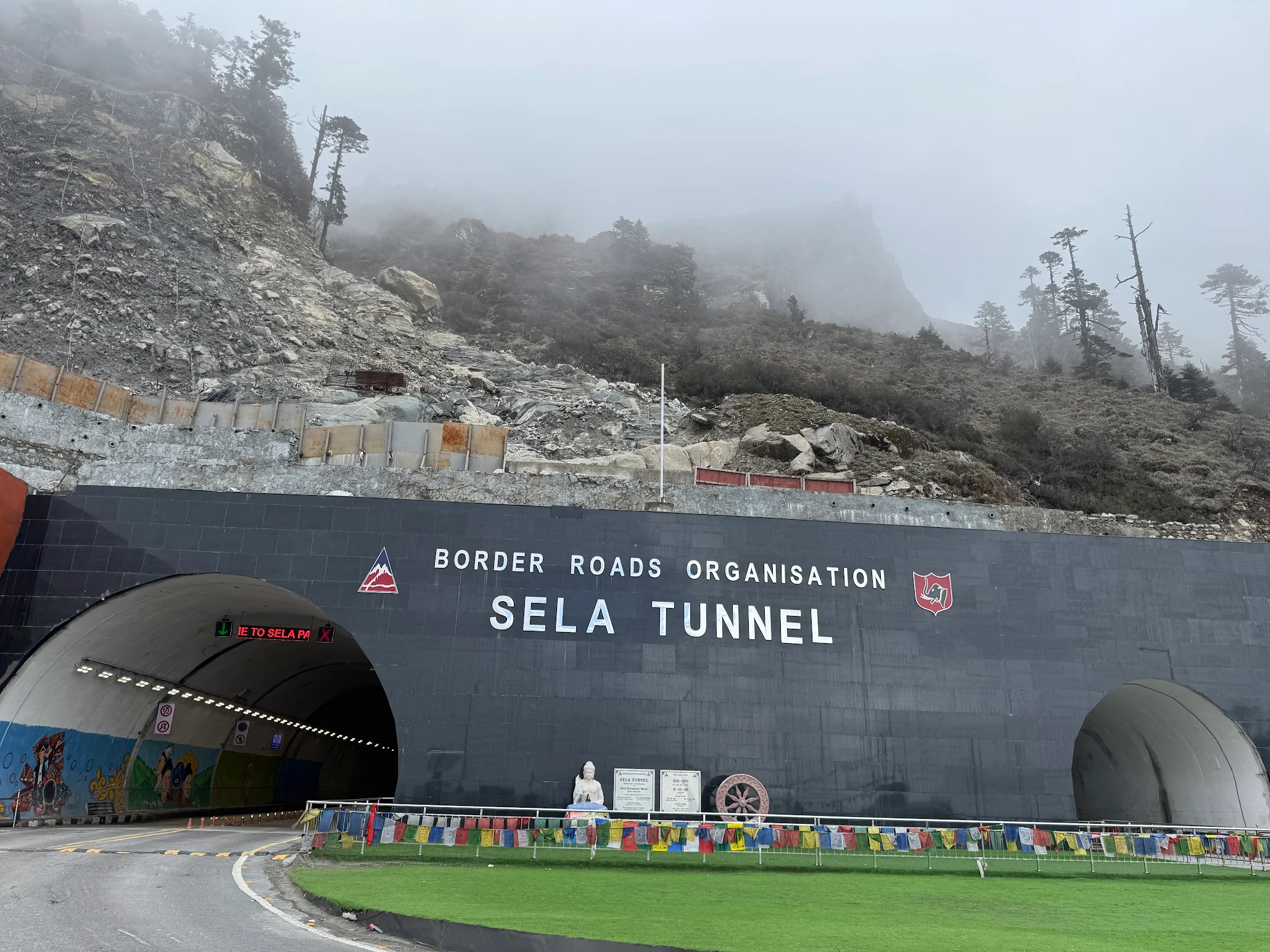
Tawang is not easy to reach. That's part of why it's stayed the way it is. The journey involves crossing the Sela Pass at 4,170 metres — higher than anywhere in Europe — through a landscape so stark and beautiful it feels like the planet's very top layer. The road from Guwahati to Tawang takes two full days, threading through dense subtropical forest, stone villages, highland meadows, and then the thin cold air of the Himalayas. Every hour of that drive is worth it.
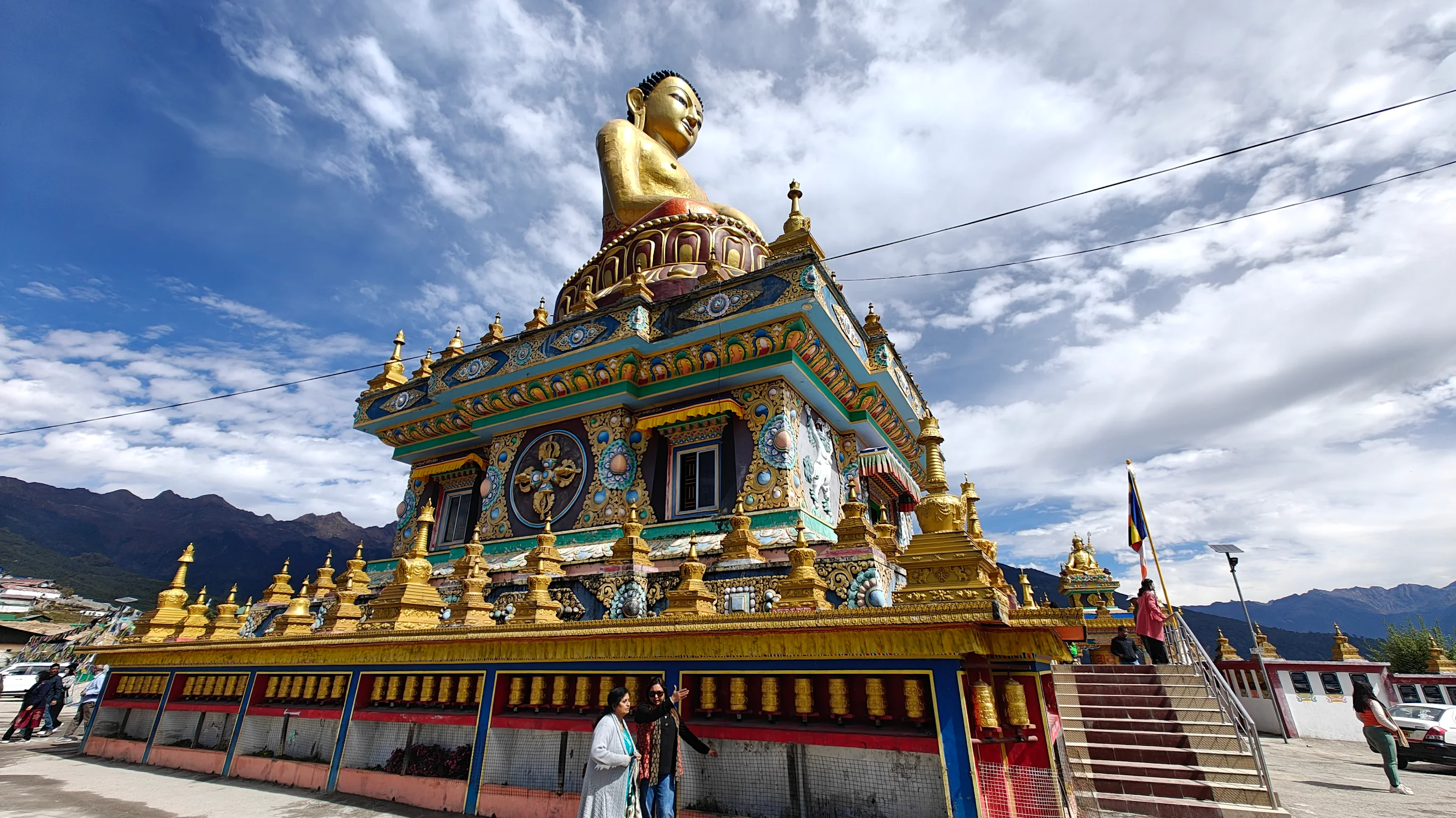
The name "Tawang" roughly translates to "chosen by the horse" in the Monpa dialect — legend holds that a 17th-century lama sent his horse to find the ideal location for a great monastery, and the horse stopped at this hilltop. Today, the Tawang Monastery — the largest Buddhist monastery in India and the second largest in the world — still stands where that horse stopped, its whitewashed walls and gold-tipped towers dominating a valley at nearly 10,000 feet. It is home to around 450 monks, a library of irreplaceable Buddhist manuscripts, and a presence that you feel before you fully see it.
But Tawang is more than its monastery. It is a district of deep valleys and high plateaus where Monpa tribespeople have lived for thousands of years, where glacial lakes sit like mirrors in high-altitude meadows, where the India-China border is close enough that the Indian Army checkposts become part of the landscape, and where the silence — on a clear morning, far from the road — is the kind that makes you stop walking just to listen to it.
In this guide, we're going to walk you through everything you need to plan a brilliant Tawang tour package — from the day-by-day itineraries (starting from 5 nights, as Tawang simply cannot be done justice in less) to the permit process, the best time to go, the places most visitors miss, the food worth seeking out, and the practical details that separate a smooth trip from a stressful one. Let's get into it.
Tawang Tour Package Options at a Glance
The first thing to understand about a Tawang tour package is that distance is non-negotiable. Tawang sits approximately 500 km from Guwahati as the crow flies, but the actual road distance is closer to 550 km and the journey — across the Sela Pass, through Bomdila and Dirang — takes 14 to 16 hours spread over two days. This means any Tawang trip requires at minimum two full days just for travel, before you've spent a single hour in Tawang itself.
Given this geography, a 4-night package doesn't make sense for Tawang — you would spend nearly all of it on the road with barely a full day in the destination itself. We start our Tawang tour packages from 5 nights / 6 days, which is the minimum that gives you 2 full days in Tawang town plus one day each for Dirang and the Sela Pass crossing. That's a tightly paced trip. For anything beyond the basics, 7 or 8 nights is where the real magic begins.
- Day 1: Arrive Guwahati, drive to Bhalukpong/Bomdila
- Day 2: Bomdila Monastery, drive to Dirang
- Day 3: Sela Pass crossing, arrive Tawang
- Day 4: Tawang Monastery, Ani Gompa, Tawang War Memorial
- Day 5: Madhuri Lake, PT Tso Lake, return towards Bomdila
- Day 6: Drive back to Guwahati, depart
- Day 1: Guwahati to Dirang (via Bhalukpong)
- Day 2: Dirang Valley, Sangti Valley, Dzong
- Day 3: Sela Pass, Jaswant Garh, arrive Tawang
- Day 4: Tawang Monastery, War Memorial, local market
- Day 5: Madhuri Lake, PT Tso, Shungetser Lake
- Day 6: Bumla Pass (with Army permit), Zemithang
- Day 7: Return drive to Guwahati
- Day 1: Guwahati to Bhalukpong
- Day 2: Bhalukpong to Bomdila — monastery & viewpoints
- Day 3: Sangti Valley, Dirang Dzong, apple orchards
- Day 4: Sela Pass + Jaswant Garh memorial, Tawang arrival
- Day 5: Tawang Monastery deep visit, Ani Gompa, Urgelling
- Day 6: Bumla Pass + Sangetsar (Madhuri) Lake
- Day 7: Zemithang Valley, Gorsam Chorten
- Day 8: Return to Guwahati via Bomdila
- Day 1–2: Guwahati → Bomdila (with heritage stops)
- Day 3: Bomdila to Dirang — Sangti Valley & Kiwi Gardens
- Day 4: Sela Pass (sunrise), arrive Tawang
- Day 5: Full-day Tawang Monastery, museum, Urgelling Gompa
- Day 6: Bumla Pass + military museum + Shakti camp
- Day 7: Madhuri Lake, PT Tso, Shungetser Lake (high-altitude lakes circuit)
- Day 8: Zemithang Valley — Gorsam Chorten, border villages
- Day 9: Return to Guwahati
- Day 1–7: Complete Tawang circuit (all major routes)
- Day 8: Transfer to Kaziranga, evening jeep safari
- Day 9: Kaziranga morning safari — one-horned rhinos
- Day 10: Return from Guwahati
- Day 1–7: Full Tawang circuit with all valleys
- Day 8–9: Kaziranga National Park, jeep safaris
- Day 10: Majuli Island — world's largest river island
- Day 11: Return from Guwahati/Jorhat
Do not plan Tawang in a hurry. The road itself demands patience — mountain conditions can delay travel unexpectedly, and that's just the nature of this part of India. Build one full buffer day into any Tawang package, either as a relaxed halt in Dirang or as a flexible day in Tawang town. The travellers who try to squeeze everything into the tightest possible schedule are the ones who leave frustrated. The ones who leave buffer days are the ones who stumble onto a monk teaching children in a courtyard, or catch the monastery at golden hour completely alone.
Detailed Itineraries: Day-by-Day Plans for Every Duration
The Essential: 5 Nights / 6 Days Tawang Tour Package
This is the tightest workable Tawang itinerary — it covers the main circuit but requires early starts and efficient travel. If you have the option of 7 nights, take it. But if your leave is fixed, this plan works beautifully when executed with an experienced local driver who knows these roads.
The Recommended: 7 Nights / 8 Days Tawang Tour Package
This is the itinerary we most confidently recommend. It adds three things that the 5-night package simply can't fit: a full day in the Sangti Valley near Dirang, a visit to Bumla Pass at the India-China border, and a day in the remote and rarely-visited Zemithang valley. Each of these is a highlight in its own right.
For the Dedicated: 8N9D, 9N10D & Longer Tawang Tour Packages
With 9 or more days, you have the luxury of truly exploring every corner of the Tawang corridor without any sense of rush. An 8-night itinerary allows you to split the Bomdila–Dirang leg across two days with a detour into the Eaglenest Wildlife Sanctuary, one of the world's best birdwatching destinations. Or combine with Kaziranga National Park in Assam for a two-in-one Northeast experience: Himalayan monasteries in one half of the trip, one-horned rhinos in the other. The 9N10D and 10N11D packages are ideal for families where different members have different interests — the monastery and lakes for some, the wildlife and rivers for others.
Top Places to Visit on Your Tawang Tour Package
The Tawang circuit spans three distinct zones: the lower hills and valley towns (Bhalukpong, Bomdila, Dirang), the high-altitude Tawang town and its immediate surroundings, and the remote north — the border passes, sacred lakes, and the Zemithang valley. Here are the must-see places, in the order you'll encounter them on the road:
Bomdila
The first major hill town on the Tawang highway. Home to a beautiful monastery complex, a government craft centre for Monpa textiles and thangkas, and sweeping views over the Kameng valley. A good overnight stop on the journey up.
Day 1–2 StopDirang & Sangti Valley
A lush highland valley with apple orchards, hot springs, an ancient stone dzong, and the wide Sangti Valley where black-necked cranes winter. One of the most underrated stopovers on the entire Tawang route.
Hidden GemSela Pass (4,170 m)
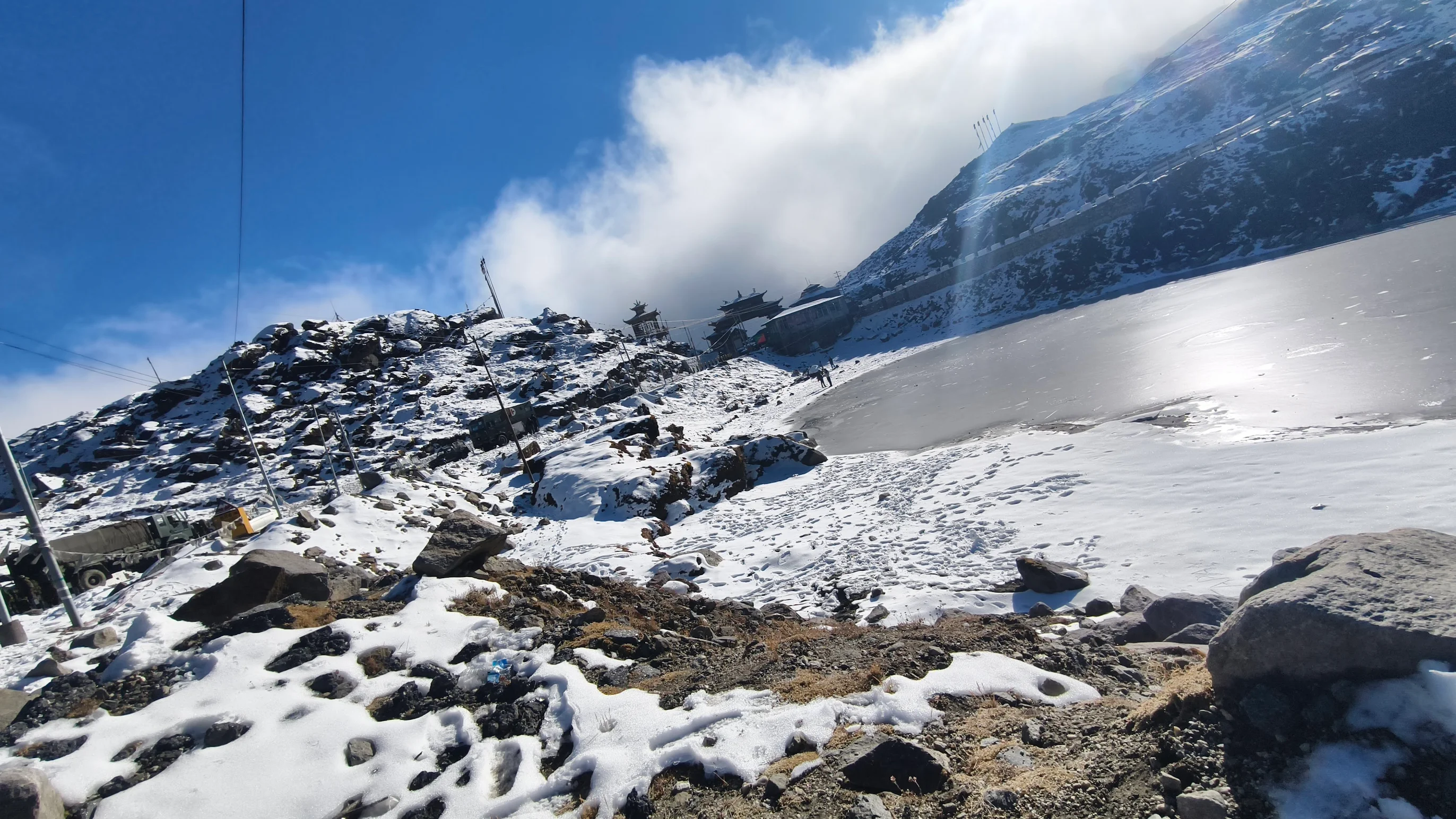
The dramatic high-altitude gateway to Tawang. At 4,170 metres, with a semi-frozen lake and a Buddhist shrine wreathed in prayer flags, this is one of the most iconic mountain pass crossings in all of India. Best experienced at sunrise.
Iconic CrossingTawang Monastery
The largest Buddhist monastery in India, founded in the 17th century. Home to 450 monks, a library of ancient manuscripts, and an 8-metre gilded Buddha. The morning prayer ritual at dawn is an unforgettable experience.
CentrepieceTawang War Memorial
A beautifully designed memorial to the soldiers who fell in the 1962 India-China war. The eternal flame, the sweeping valley views, and the thoughtful design make this one of the most affecting war memorials in the country.
Must VisitMadhuri Lake (Shungetser)
Named after Bollywood actress Madhuri Dixit who filmed a song here, this high-altitude glacial lake at 4,200 m is ringed by snow-capped peaks. On still mornings, the reflection of the mountains in the water is simply extraordinary.
Most PhotographedBumla Pass (4,643 m)
The India-China border at 15,200 feet. One of the very few places in India where civilians can visit an active international border — with Army-arranged permits. The experience of standing at this boundary, in this landscape, is unlike anything else in India.
Restricted AreaZemithang & Gorsam Chorten
A remote valley near the Bhutan border that almost no tour itinerary includes. The Gorsam Chorten is a 9th-century stupa of great sacred importance. The valley itself, with its wide river and surrounding peaks, is one of Tawang's finest hidden experiences.
Off the Beaten PathDon't Skip These — Underrated Stops on the Tawang Circuit
- Jaswant Garh War Memorial (near Sela Pass) — A memorial to a single soldier who held his position for 72 hours during the 1962 war. The Army maintains his quarters exactly as they were. Deeply moving, and almost always uncrowded.
- Nuranang (Jang) Falls — Visible from the main Tawang highway in the Nuranang valley. One of the most powerful and impressive waterfalls in all of Arunachal Pradesh, with a volume that's genuinely overwhelming. Often missed because people don't stop.
- Urgelling Monastery — The birthplace of the 6th Dalai Lama, a short drive from Tawang town. Small, quiet, and intensely sacred. Far less visited than the main monastery but arguably more intimate.
- Eaglenest Wildlife Sanctuary — Near Bhalukpong, this is considered one of the top ten birdwatching sites in the world. Over 450 bird species have been recorded here. Budget an extra day if you have any interest in birding — it is extraordinary.
- Tawang Local Market (evening) — The small market below the monastery comes alive in the evening. Monpa women in traditional clothing sell yak wool products, local honey, dried yak cheese, and chang (barley beer). Spend an hour here and you'll leave with better souvenirs than any shop will offer.
Best Time to Visit Tawang for Your Tour Package
Tawang's weather patterns are dictated almost entirely by its altitude (Tawang town sits at around 3,048 metres) and its position deep in the eastern Himalayas. The result is a destination that changes dramatically by season — and each season has something genuinely different to offer.
| Month | Season | Weather & Conditions | Road Conditions | Verdict |
|---|---|---|---|---|
| Mar – Apr | Spring | 12–18°C, rhododendrons in full bloom, snow melting on passes | Mostly open, some snow patches on Sela | Excellent |
| May – Jun | Pre-Monsoon | 15–22°C, clear skies, warm days, cool nights | Fully open, best driving conditions | Best Time |
| Sep – Oct | Post-Monsoon | 10–18°C, crystal clear skies, dramatic light | Fully open, excellent | Best Time |
| Nov | Late Autumn | 4–14°C, first snow on Sela Pass, black-necked cranes arrive in Sangti | Open, some snowfall possible | Good |
| Dec – Feb | Winter | −5°C to 8°C, heavy snowfall, Tawang often under snow | Sela Pass may close; risk of road blocks | Snow lovers only |
| Jul – Aug | Peak Monsoon | Heavy rain, landslides, low visibility | High risk of road blockages and landslides | Avoid |
March to June and September to November are the two prime windows for a Tawang tour package. Spring (March–April) brings rhododendron forests blazing red and pink along the drive — one of the most spectacular natural displays in the entire Himalayas. May and early June offer the best driving conditions and the clearest skies before the monsoon arrives. Post-monsoon (September–October) is the photographers' favourite: the air has been washed clean by rain, the light is extraordinary, and the first dustings of snow are beginning to appear on the high peaks.
December to February sees Tawang frequently buried under snow. For those who love snow landscapes and don't mind the cold, this is genuinely beautiful — but Sela Pass can close for days at a time, and several guesthouses in Tawang shut for the winter season. Only experienced cold-weather travellers with flexible schedules should plan a winter Tawang trip.
The monsoon period (July–August) is best avoided entirely. Landslides are frequent and unpredictable on the mountain roads, and Sela Pass is often blocked for days. Several travellers have been stranded mid-route during this period. Unless you have extremely flexible travel plans and a high tolerance for uncertainty, plan your Tawang tour package outside July and August.
ILP, PAP & Permits — Everything You Need to Know
Tawang sits in Arunachal Pradesh, a Protected Area with special entry requirements for all visitors. Getting the permits right before you travel is not optional — checkposts at Bhalukpong and at several points along the Tawang route will verify your documents, and anyone without valid permits will be turned back. Here's what you need:
Indian citizens must carry a valid Inner Line Permit (ILP) to enter Arunachal Pradesh. Foreign nationals need both an ILP and a Protected Area Permit (PAP). Visiting Bumla Pass requires an additional restricted area permit, which can only be arranged through a registered local tour operator — SafarPanda handles this as part of all Tawang packages that include the Bumla excursion.
Inner Line Permit (ILP) — For Indian Citizens
- Apply online through the official Arunachal Pradesh ILP portal (arunachalilp.com). Takes 24–48 hours. Carry both the digital and printed copy.
- Can also be obtained in person at Guwahati, Kolkata, Delhi, and other major cities at the Arunachal Pradesh Resident Commissioner offices.
- The ILP is free to obtain for Indian citizens. Carry a valid government-issued photo ID along with it.
Protected Area Permit (PAP) — For Foreign Nationals
- Foreign nationals require both an ILP and a Protected Area Permit. Must be arranged through the Ministry of Home Affairs or through a registered Indian tour operator.
- Citizens of Pakistan, Bangladesh, Myanmar, Sri Lanka, Afghanistan, Iran, China, and some other nationalities may face additional restrictions. Check current regulations before booking.
- SafarPanda handles all PAP applications for foreign nationals as part of our Tawang tour packages — simply share your passport details when booking.
Bumla Pass Restricted Area Permit
Visiting the India-China border at Bumla (also written as Bum La) requires a separate restricted area entry permit, facilitated by the Indian Army through a registered local tour operator. This permit must be applied for with sufficient advance notice (typically 2–3 weeks before travel) and is subject to Army approval. SafarPanda handles this process for all Tawang packages that include the Bumla excursion. Note that the Army reserves the right to deny access on any given day based on security conditions, so flexibility is essential.
How to Reach Tawang
By Air + Road (Recommended Route)
The most practical way to start a Tawang tour package is to fly into Guwahati (LGBI Airport) — Assam's main airport, connected to all major Indian cities including Delhi, Mumbai, Kolkata, Chennai, Bengaluru, and Hyderabad. From Guwahati, the journey to Tawang is done entirely by road, broken over two days with an overnight halt at Bomdila or Dirang.
An alternate shorter starting point is Tezpur (Salonibari Airport), which has flights from Kolkata and Guwahati. Tezpur is roughly 4–5 hours closer to Tawang than Guwahati, which can be a useful saving if your time is very limited.
By Road — The Full Route
The standard road route from Guwahati to Tawang: Guwahati → Bhalukpong → Bomdila → Dirang → Sela Pass → Tawang. Total distance approximately 550 km. This is broken into two driving days:
- Day 1: Guwahati to Bomdila or Dirang (approx 250–300 km, 7–9 hours including ILP check at Bhalukpong border)
- Day 2: Dirang to Tawang via Sela Pass (approx 140 km, 4–5 hours depending on conditions)
The Tawang road is beautiful but demanding — narrow switchbacks, steep gradients, and sections that can become treacherous in rain or snow. SafarPanda only works with experienced local drivers who have driven this route dozens of times and know the road conditions in every season. Do not attempt to self-drive to Tawang unless you have extensive Himalayan mountain driving experience. The road forgives nothing, and it is spectacular precisely because it demands respect.
By Rail
There is no rail connectivity into Arunachal Pradesh. The nearest useful railway stations are Guwahati (for the Tawang circuit), connected to all major Indian cities via multiple express and Rajdhani trains. From the railway station, the road journey to Tawang begins exactly as described above.
What to Pack for Your Tawang Tour Package
Warm Clothing — Never Underestimate the Cold
- A heavy jacket or down parka — even in May, Tawang nights can drop to 5–8°C, and at Sela Pass or Bumla it can be below freezing at any time of year. Bring more warm layers than you think you'll need.
- Thermals and woollen inner layers — the temperature variation between valley stops (warm) and high-altitude passes (very cold) is extreme, sometimes 15–20°C in the same day.
- Waterproof outer layer — the weather in the mountains can change quickly. A light rain jacket doubles as windproofing at high altitude.
- Gloves, warm socks, and a hat or beanie — essential for Sela Pass and Bumla, non-negotiable in winter months.
Footwear
- Sturdy walking shoes with ankle support — monastery courtyards, village paths, and the walk up to Gorsam Chorten all benefit from solid footwear.
- Snow boots or insulated waterproof boots if visiting between November and March — you will walk on snow and ice at Sela and Bumla.
Health & Altitude Essentials
- Altitude sickness medication — Speak to your doctor before travelling. Acetazolamide (Diamox) is commonly prescribed for acclimatisation. Tawang town is at 3,048 m and Bumla is at 4,643 m; altitude sickness is a real concern for some travellers.
- High-SPF sunscreen and UV-protective sunglasses — at high altitude, UV radiation is significantly more intense than at sea level. Sun damage happens faster than you expect.
- Lip balm and moisturiser — the cold, dry air at altitude is harsh on skin and lips.
- Personal medicines and a first-aid kit — medical facilities in Tawang are limited. An Army hospital handles emergencies but is not a substitute for your own medications.
Practical Necessities
- Cash in sufficient quantity — There are ATMs in Tawang town but they frequently run out of cash or are out of service. Carry enough cash from Guwahati or Tezpur for your entire stay. No UPI or card machines at most Tawang eateries or local shops.
- Power bank — electricity supply in Tawang can be intermittent. A fully charged power bank and a quality camera are non-negotiable.
- Offline maps downloaded — signal is patchy across the route, especially between Bomdila and Tawang. Download Google Maps offline maps for Arunachal Pradesh before you leave.
- Physical copies of all permits — the ILP, PAP (if applicable), and any special permits. Checkpost officers may ask to see originals, not just phone screens.
Tawang Food, Monpa Culture & Local Customs
One of the most distinctive aspects of any Tawang tour package is cultural immersion into the world of the Monpa tribe — one of the most fascinating indigenous communities in India. The Monpa people follow Tibetan Buddhism, speak a Tibeto-Burman language, and have maintained their way of life in these high Himalayan valleys with remarkable continuity. Understanding their world before you arrive makes every interaction richer.
The Monpa People & Their Buddhism
The Monpa are deeply Buddhist — not as a tourist attraction but as a living spiritual practice woven into every part of daily life. Prayer wheels spin at the entrances to every village. Monks in saffron robes are a constant presence. Prayer flags mark every high point along the routes. The relationship between the Monpa people and the Tawang Monastery goes back centuries — the monastery was established by Merak Lama Lodre Gyatso in 1681, and the Monpa community has sustained and protected it ever since.
Tawang is also the birthplace of the 6th Dalai Lama, Tsangyang Gyatso, born in 1683 in the village of Urgelling. This history gives Tawang a significance in Tibetan Buddhist tradition that goes beyond its size.
What to Eat in Tawang
- Thukpa — A Tibetan noodle soup with vegetables or meat. The defining dish of the Tawang corridor, served everywhere from roadside dhabas to proper restaurants. On a cold mountain morning, a bowl of thukpa is one of the finest things you can eat in India.
- Momos — Steamed dumplings filled with pork, beef, or vegetables. Tawang momos have a slightly different wrapper and filling style than the more commonly known Darjeeling or Delhi versions — lighter, more delicate.
- Butter Tea (Po Cha) — Salted tea made with yak butter. An acquired taste that divides travellers — many hate it initially and find it oddly comforting by their third cup. It's calorie-dense and warming at altitude.
- Tongba — Fermented millet wine served in a wooden container with a bamboo straw, with hot water poured in repeatedly. Traditional Monpa drink and a warming companion for cold evenings.
- Zaw — Roasted rice mixed with butter and jaggery. Simple, sustaining, and distinctly Monpa in character.
- Yak Cheese & Local Honey — Both available in the Tawang market. The honey from this altitude is extraordinary — dark, complex, and completely unlike the refined honey sold in city stores. Buy as much as you can carry.
Cultural Customs to Keep in Mind
At Tawang Monastery and all smaller monasteries along the route: remove shoes before entering prayer halls. Turn prayer wheels clockwise. Do not point your feet toward statues or sacred objects. Photography is permitted in most areas but not during active prayer ceremonies — observe what's happening and follow the lead of others present. When a monk speaks, listen with full attention. In a culture where a man who has taken vows has given up the ordinary world entirely, treating him as a photo prop is genuinely disrespectful.
In Monpa villages: ask before photographing people, especially elders and women. The Monpa are generally warm toward respectful visitors. If you are offered tongba or butter tea as a gesture of hospitality, accept it graciously — refusing is considered rude.
Insider Travel Tips & Common Mistakes to Avoid in Tawang
-
Apply for your ILP at least 1 week in advance. The online system usually processes quickly, but delays happen. Having your permit sorted before you travel removes a huge source of potential stress. SafarPanda handles this for all our Tawang tour customers.
-
Visit Tawang Monastery at sunrise, not midday. At 6–7am, morning prayers are in session, the monks are present, the light is golden, and there are almost no other tourists. By 10am, tour groups arrive and the atmosphere changes completely. The monastery at dawn is a profoundly different experience from the monastery at noon.
-
Don't rush Sela Pass. Most people drive through in 15 minutes and move on. Stop for at least 45 minutes — walk to the lake, sit by the shrine, watch the cloud formations in the valley below. Sela Pass is one of the most atmospheric places on the Tawang route and most travellers underinvest time here.
-
Acclimatise before going to Bumla. Bumla Pass is at 4,643 metres. If you go on Day 2 after arriving in Tawang (3,048 m), your body may not be ready. Spend at least one full day in Tawang first before ascending to Bumla. Altitude sickness at a restricted military border is not a situation anyone wants to be in.
-
Keep your permit photocopies and originals separate. There are multiple checkposts on the Tawang road — at Bhalukpong, near Bomdila, and at several points near Tawang and the restricted areas. Keep a physical copy of all permits in your bag, separate from your phone, in case of device issues.
-
Bring BSNL or Airtel SIM for best coverage. Mobile network coverage in Arunachal Pradesh is dominated by BSNL (the government operator) and Airtel. Jio and Vi have extremely limited coverage beyond Bomdila. If you rely on Jio for data, get a BSNL or Airtel SIM in Guwahati before you depart.
-
Photography at military checkpoints. Do not photograph checkposts, Army installations, or military personnel without explicit permission. This applies throughout the Tawang route and especially near Bumla. The rule is simple and worth following without exception.
-
Check road conditions 24 hours before travel. Landslides, snow, and BRO (Border Roads Organisation) road maintenance can close sections of the Tawang highway without much warning. Your local driver will know the situation, which is another reason an experienced local driver is essential — not just convenient.
Ready to Plan Your Tawang Tour Package?
Our Northeast India travel experts have personally travelled every kilometre of the Tawang highway, stayed in the best guesthouses, and know exactly how to make every day count. Share your dates and we'll design a custom Tawang itinerary — completely free, within 24 hours.
Frequently Asked Questions About Tawang Tour Packages
A Final Word on Tawang
Tawang is the kind of destination that makes you wonder why you spent so long going to the same places when something this extraordinary was sitting here, waiting. It is difficult to reach, and that difficulty is a filter — the travellers who make it to Tawang are, almost without exception, people who wanted something real. The monastery, the border pass, the sacred lakes, the Monpa villages, the mountain roads wrapped in prayer flags — none of it is staged for tourists, because Tawang existed long before tourism arrived and will exist long after each of us has gone. Go there. Go slowly. Go with your eyes open.