
Why Timing Makes or Breaks an Arunachal Pradesh Trip
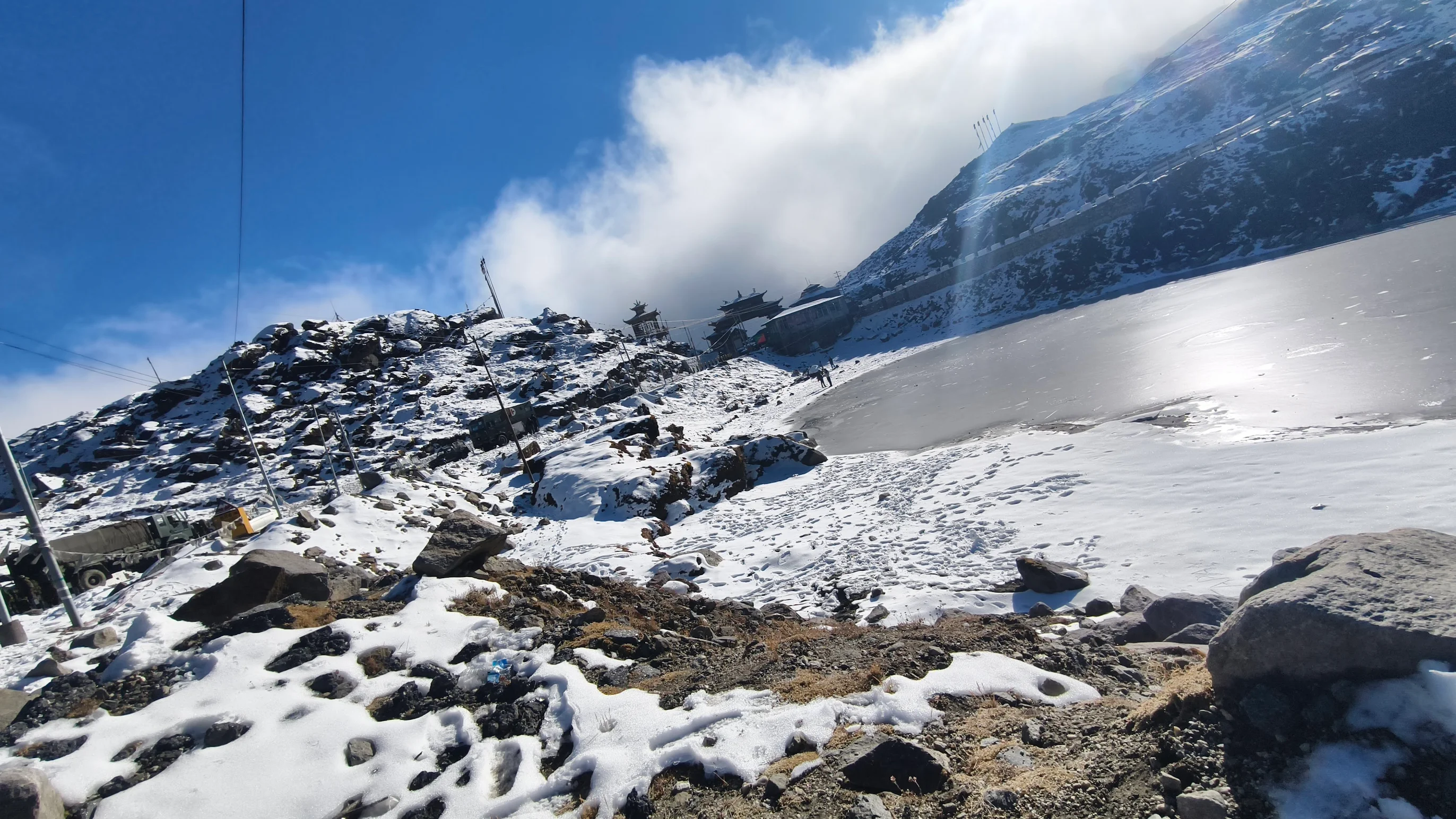
What sets Arunachal Pradesh apart from most Indian hill destinations is that weather here isn't just a comfort question — it's an access question. Tawang, the state's best-known destination, sits at the end of a single mountain highway that climbs to over 13,000 feet at Sela Pass before dropping into the Tawang valley. For decades, a heavy winter snowfall could close that pass for days at a stretch, cutting the town off from the rest of the country. Ziro Valley, by contrast, sits at a gentler 1,500 metres and stays reasonably pleasant through most of the year, while the state's eastern belt — Pasighat, Mechuka, Namdapha — behaves differently again, shaped more by the Siang and Brahmaputra river systems than by mountain passes.
One recent piece of infrastructure has quietly changed the calculation for anyone timing a Tawang trip: the Sela Tunnel, opened in March 2024, now runs well below the snow line and keeps the road open through most of the winter — something that simply wasn't reliable before. It doesn't erase the cold or the altitude, but it does mean the old advice to "avoid Tawang entirely in winter" needs an update, which is exactly what this guide sets out to give you.
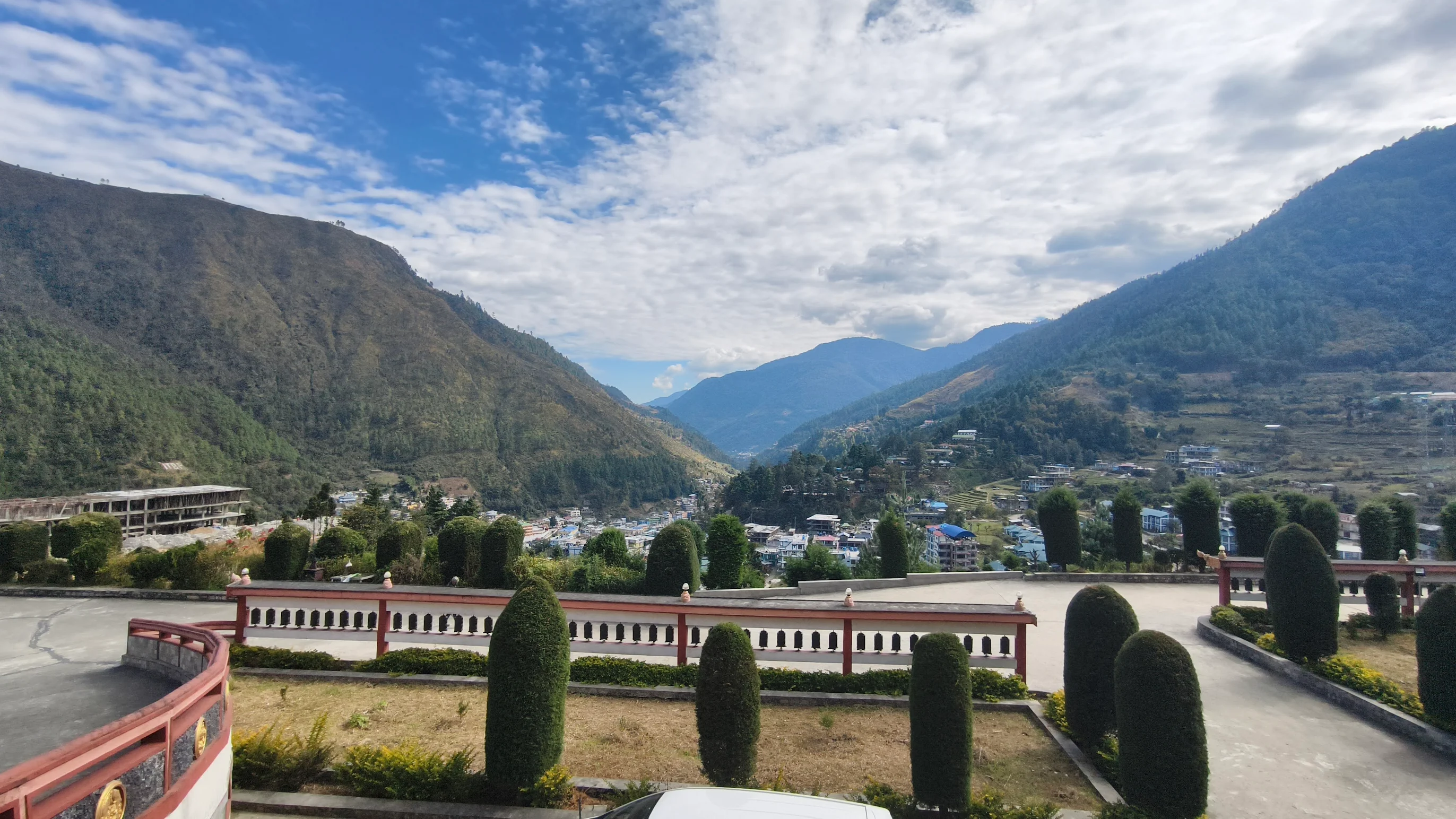
This guide walks through exactly how each part of Arunachal Pradesh behaves month by month, followed by a full day-by-day itinerary once you've settled on your dates, the state's most rewarding stops, the permit process every visitor needs regardless of season, packing advice for a place where you can go from tropical warmth to sub-zero cold in a single road trip, and the honest mistakes worth avoiding.
Arunachal Pradesh Tour Package Options at a Glance
The single biggest difference between planning a Meghalaya trip and an Arunachal Pradesh trip is distance. Where Meghalaya's sights sit within a couple of hours of each other, Tawang alone is roughly 480–520 km from Guwahati by road — a journey of 12 to 16 hours that most travellers sensibly split across two days each way. That changes how you should think about duration: a "quick" Arunachal trip still needs at least five nights, and the trips that feel unhurried tend to run nine or ten days rather than six or seven.
The upside of that distance is that Arunachal rewards patience more than almost anywhere else in the Northeast. Travellers who give themselves nine or ten days aren't just adding sightseeing — they're adding a buffer against the one thing you can't fully control here, which is mountain weather. A single delayed excursion to Bumla Pass, rescheduled because of cloud cover, can throw off a tightly packed itinerary. Here's how the different durations compare.
- Day 1: Guwahati → Bomdila (long drive)
- Day 2: Bomdila → Tawang via Dirang & Sela Pass
- Day 3: Tawang Monastery & War Memorial
- Day 4: Bumla & Madhuri Lake (weather permitting) → Dirang
- Day 5: Dirang → Bhalukpong
- Day 6: Bhalukpong → Guwahati
- Day 1: Guwahati → Bhalukpong
- Day 2: Bhalukpong → Bomdila
- Day 3: Bomdila → Dirang
- Day 4: Dirang → Tawang via Sela Pass
- Day 5: Tawang full-day sightseeing
- Day 6: Bumla Pass & Madhuri Lake excursion
- Day 7: Tawang → Dirang/Bomdila (return)
- Day 8: Bomdila → Guwahati
- Day 1: Guwahati → Bhalukpong
- Day 2: Bhalukpong → Bomdila
- Day 3: Bomdila → Dirang (Sangti Valley)
- Day 4: Dirang → Tawang via Sela Pass & Tunnel
- Day 5: Tawang full-day sightseeing
- Day 6: Bumla Pass & Madhuri Lake excursion
- Day 7: Buffer day / Zemithang & Gorsam Chorten
- Day 8: Tawang → Dirang (return)
- Day 9: Dirang → Bhalukpong
- Day 10: Bhalukpong → Guwahati
- Day 1–7: Full Tawang circuit (Bhalukpong → Bomdila → Dirang → Tawang → Bumla)
- Day 8: Dirang → Bhalukpong → Itanagar
- Day 9: Itanagar → Ziro Valley
- Day 10: Ziro Valley — Apatani villages & Talley Valley
- Day 11: Ziro → Itanagar (Ganga Lake, Ita Fort)
- Day 12: Itanagar → Guwahati
- Day 1–7: Full Western Arunachal circuit (Tawang, Sela, Bumla)
- Day 8–9: Transfer to Ziro Valley via Itanagar
- Day 10: Ziro Valley — Apatani culture
- Day 11–12: Ziro → Along (Aalo) → Pasighat, Siang Valley
- Day 13: Pasighat — Siang River & D'Ering Sanctuary
- Day 14: Pasighat → Dibrugarh → onward journey
If you can only spare five nights, you can still have a genuinely good trip to Bomdila, Dirang and Tawang. But the Bumla Pass and Madhuri Lake excursion is usually the first casualty of a rushed schedule, since it sits right against the India-China border, needs a separate permit and army clearance, and depends entirely on the weather cooperating that specific morning. If seeing the actual frontier is the reason you're drawn to Arunachal in the first place, build in the extra buffer day in the 9N10D itinerary below.
Day-by-Day: The Complete Tawang Circuit Itinerary from Guwahati
Below is the full day-by-day breakdown of our recommended 9 nights / 10 days Arunachal Pradesh tour from Guwahati — the version that gives the mountain roads room to breathe and, crucially, builds in the one buffer day that most rushed packages quietly skip.
The Quick Version: 5 Nights / 6 Days Tawang Express
If nine or ten days genuinely isn't possible, the 5N6D version compresses the trip into two long driving days each way with three days around Tawang in between. You'll still see the monastery, the war memorial, and Sela Pass, but the Bumla Pass and Madhuri Lake excursion becomes a single rushed attempt with no fallback day if the weather doesn't cooperate — and the offbeat Zemithang detour drops out entirely. It's the right call if your schedule is genuinely fixed, but go in knowing that Arunachal's mountain weather doesn't always respect a tight itinerary.
Going Further: 11N12D and 13N14D Options
With a few extra days, the 11N12D itinerary adds Ziro Valley by looping back through Itanagar rather than returning directly to Guwahati from Bhalukpong — a genuinely different Arunachal built around the Apatani tribe's terraced rice fields rather than Buddhist monasteries and mountain passes. With two weeks or more, you can push further east to Along (Aalo), Pasighat and the Siang River, trading high-altitude passes for a river valley shaped by tributaries flowing down from Tibet. The contrast between the Buddhist west, the Apatani centre, and the river-fed east is arguably the most complete picture Arunachal Pradesh can offer a traveller with the time to see all three.
Top Places to Visit on Your Arunachal Pradesh Tour
Arunachal Pradesh rewards travellers willing to cover distance rather than tick off a tight cluster of sights. Here are the places that anchor any well-planned Arunachal tour from Guwahati, arranged roughly in the order you'll encounter them on the western circuit.
Tawang Monastery
India's largest Buddhist monastery and the spiritual heart of the Monpa community, founded in the 17th century and perched above the Tawang valley at over 10,000 feet. Home to a library of Buddhist scriptures and a resident community of monks.
Signature LandmarkSela Pass & Sela Lake
A high-altitude crossing above 13,000 feet with a sacred lake near its summit, connecting Dirang to Tawang. Now bypassed in the worst of winter by the all-weather Sela Tunnel, though the pass itself remains one of Arunachal's most photographed spots.
High-Altitude PassDirang
A gentle valley town with natural hot springs, apple and kiwi orchards, and the old Dirang Dzong fort. Nearby Sangti Valley hosts wintering black-necked cranes, making Dirang a favourite stop for both relaxation and acclimatisation.
Hot Springs TownBomdila
A pine-clad hill town at around 2,530 metres, home to a peaceful monastery, apple orchards, and sweeping views over the Eastern Himalayas. A natural first overnight stop for acclimatising on the way to Tawang.
Hill TownBumla Pass & Madhuri Lake
A high-security pass right on the Line of Actual Control with China, and a striking landslide-formed lake nearby. Reached only with a separate permit and army escort, and entirely dependent on clear weather.
Border ExcursionZiro Valley
Home to the Apatani tribe's terraced wet-rice fields and pine-covered hills, set at a gentler 1,500 metres than the Tawang belt. Also the venue for the Ziro Festival of Music each September.
Apatani HomelandNuranang Falls
A dramatic waterfall near Jang village, close to the base of Sela Pass, framed by pine forest and named after a local legend from the 1962 war era. An easy, worthwhile stop on the Dirang-Tawang road.
Roadside WaterfallSangti Valley
A quiet farming valley near Dirang that becomes a winter home for migratory black-necked cranes arriving from the Tibetan plateau — a genuine wildlife highlight for anyone travelling between November and February.
Winter BirdingDon't Skip These — The Underrated Places on Any Arunachal Tour
Most packages stop at the western circuit above. These spots take real extra effort but are consistently rated as highlights by travellers who make the detour:
- Mechuka Valley — Often called a hidden Shangri-La, this remote valley near the Tibet border is home to the Memba tribe, an ancient wooden suspension bridge, and terraced fields that feel untouched by time. The rough mountain roads keep crowds away.
- Namdapha National Park — One of India's few parks spanning tropical to alpine ecosystems in a single reserve, home to tigers, snow leopards, and elephants at different altitudes. Safaris and treks typically run from October to April, since the monsoon makes the interior largely inaccessible.
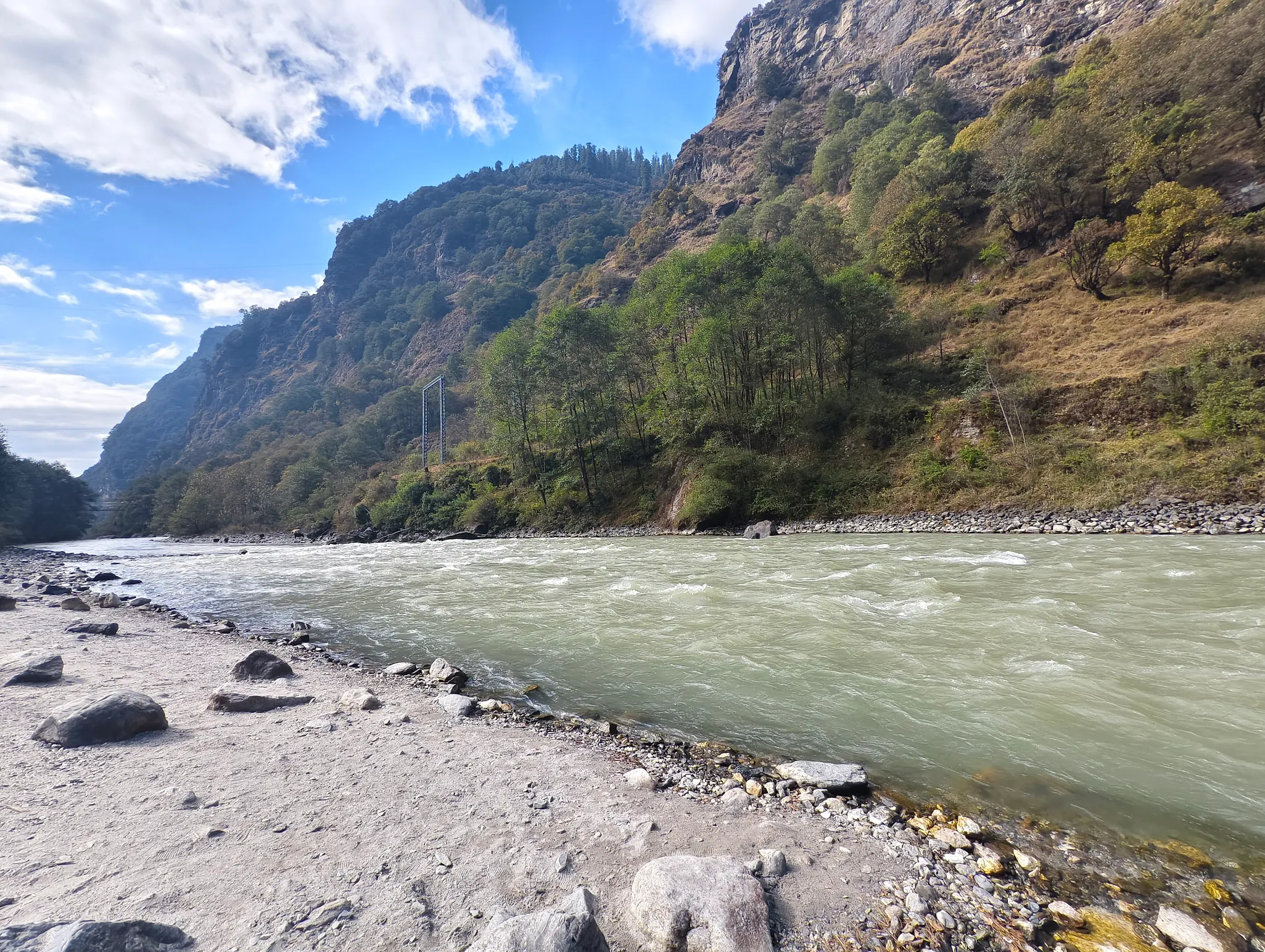
- Pasighat & the Siang River — Arunachal's oldest town, set on the banks of the Siang (the Brahmaputra's upper stretch as it enters India from Tibet), with excellent river-valley views and rafting stretches for the adventurous.
- Eaglenest Wildlife Sanctuary — A birdwatcher's pilgrimage site near Bomdila, recorded with an extraordinary density of Himalayan bird species across its altitude range, best visited in spring before the monsoon closes in.
- Gorsam Chorten, Zemithang — A striking Tibetan-style stupa in a quiet corner of Tawang district, rarely included on standard itineraries but easily added as a day trip with an extra day to spare.
Best Time to Visit Arunachal Pradesh — Month by Month
More than almost anywhere else in India, "best time to visit" in Arunachal Pradesh depends on which belt of the state you mean. The western Tawang-Bomdila-Dirang circuit behaves like a genuine high-altitude Himalayan destination, with snow, sub-zero nights, and a single mountain highway as its lifeline. Ziro Valley, sitting at a far gentler elevation, is comfortable through most of the year. And the eastern belt around Pasighat, Mechuka and Namdapha runs on its own river-and-monsoon rhythm. Here's how the calendar breaks down.
| Month | Season | Weather | Tawang & Sela Access | Verdict |
|---|---|---|---|---|
| Mar – May | Spring | 10–25°C, blooming rhododendrons, brief showers | Roads reopen fully, occasional upper snow patches | Good |
| Jun – Aug | Monsoon | Heavy, near-daily rain; humid in lower valleys | Frequent landslides on NH13; road trip genuinely risky | Avoid Tawang route |
| Sep – Nov | Post-monsoon | 15–24°C, clearing skies, best visibility of the year | Freshly repaired roads, clearest mountain views | Best Time |
| Dec – Feb | Winter | 4–15°C in lower areas; sub-zero nights at Tawang & Sela | Sela Tunnel keeps the road open; Bumla usually closed | Good, but cold |
September to November and March to June are the two strongest windows for the Tawang circuit. Post-monsoon (September–November) gives you the clearest skies of the year, roads freshly repaired after the rains, and pleasant daytime temperatures for sightseeing — though nights at Tawang and Sela can still dip close to freezing by November. Spring through early summer (March–June) brings blooming rhododendrons in the mid-altitude belt, generally open roads, and noticeably fewer crowds than the October-November peak, with the trade-off that afternoon showers become more common as June approaches.
Winter (December–February) is where the Sela Tunnel has genuinely changed things. Before it opened in March 2024, a heavy snowfall could shut the pass for days and strand Tawang from the rest of the country; the tunnel now runs below the snow line and keeps that road open through most winter conditions. That said, winter in Tawang is still a serious cold-weather trip — night temperatures regularly fall below zero, some smaller guesthouses close for the season, and the Bumla Pass excursion is frequently shut entirely due to snow at that altitude. It suits travellers who specifically want snow and don't mind the chill, more than first-timers hoping for effortless sightseeing.
Best Time, Region by Region
Western Arunachal — Tawang, Bomdila, Dirang
This is the high-altitude Buddhist belt, and the one most affected by season. Aim for March to June or September to early November for the most reliable combination of open roads and clear mountain views. Avoid the drive itself during peak monsoon (June to September), when landslides on the Tezpur-Tawang road are common and can add unplanned days to your trip. Winter works for snow-seekers who've read this guide and packed accordingly, but temper expectations around the Bumla Pass excursion specifically, since it closes often at that altitude.
Central Arunachal — Ziro Valley & Itanagar
Sitting at a gentler 1,500 metres, Ziro Valley is workable across most of the year. March to June brings pleasant temperatures and the valley's paddy fields at their greenest, while October and November offer crisp, clear post-monsoon weather. If the Ziro Festival of Music is your reason for visiting — it typically runs four days in late September — you'll be arriving right as the monsoon eases and the fields turn a deep gold before harvest, though light rain is still possible and accommodation books out well in advance.
Eastern Arunachal — Pasighat, Mechuka & Namdapha
The eastern belt runs on river time as much as mountain time. Namdapha National Park's safaris and treks typically operate from October to April, since the monsoon swells the rivers that cut through the reserve and makes the interior largely inaccessible. Pasighat and the Siang River valley are most rewarding in the drier months from November to April, when river levels are lower and roads into Mechuka and the surrounding valleys are at their most reliable.
How to Reach Arunachal Pradesh from Guwahati
By Road — The Main Route
Guwahati is the practical gateway to Arunachal Pradesh for almost every traveller, whether you're heading to the western Tawang belt or central Ziro Valley. Unlike Meghalaya's short, well-surfaced loop, distances here are genuinely large: Guwahati to Tawang runs roughly 480–520 km and takes 12 to 16 hours of actual driving, which is why most sensible itineraries split the journey across two days each way with an overnight in Bhalukpong, Bomdila, or Dirang.
The classic western route runs Guwahati → Tezpur → Bhalukpong → Bomdila → Dirang → Sela Pass → Tawang, almost entirely on National Highway 13. The separate route to Ziro Valley runs Guwahati → Itanagar → Ziro, a shorter and gentler drive of around 440–450 km in total. The two circuits don't connect efficiently by road, which is exactly why they're usually sold as separate tour packages rather than a single loop — though a longer trip can combine both, as outlined in the 11N12D and 13N14D packages above.
By Air
The nearest major airport for the Tawang circuit remains Lokpriya Gopinath Bordoloi International Airport (GAU), Guwahati, well connected to Delhi, Mumbai, Kolkata, Bengaluru, and other major Indian cities. For Ziro Valley and Itanagar, Donyi Polo Airport (HGI) near Itanagar — Arunachal Pradesh's first full-fledged commercial airport, operational since late 2022 — now offers direct flights to Guwahati and Kolkata, cutting a full day off the road journey for that circuit. There is no airport serving Tawang itself; Tezpur's Salonibari Airport is the nearest airstrip, though most travellers still route through Guwahati for better flight frequency.
By Rail
Arunachal Pradesh has no railway line of its own reaching its major tourist destinations. Guwahati Railway Station is the main railhead for the Tawang circuit, well connected to major cities across India. For Ziro Valley, Naharlagun Railway Station near Itanagar offers a more direct rail option, including a weekly service to and from New Delhi, with the final stretch to Ziro completed by road.
Guwahati → Bhalukpong: ~250 km | ~7 hours
Bhalukpong → Bomdila: ~95 km | ~3.5–4 hours
Bomdila → Dirang: ~40 km | ~1.5 hours
Dirang → Tawang (via Sela): ~135 km | ~5–6 hours
Guwahati → Itanagar: ~330 km | ~7–8 hours
Itanagar → Ziro Valley: ~115 km | ~3.5–4 hours
Permits — ILP, PAP & What You Actually Need for Arunachal Pradesh
This is the section where Arunachal Pradesh differs sharply from Meghalaya. Every non-resident Indian citizen needs an Inner Line Permit (ILP) to enter the state, and every foreign national needs a separate Protected Area Permit (PAP). Neither is difficult to obtain, but both need to be sorted before you leave home, not on arrival.
For Indian Nationals — Inner Line Permit (ILP)
- Apply online first: The official eILP portal at arunachalilp.com is the fastest route, with turnaround usually same-day to 24 hours once you've registered, uploaded ID and a passport photo, and paid the modest processing fee. Tourist eILPs are typically valid for a defined period of up to 14 days.
- Offline options exist too: ILPs can also be obtained in person from Resident Commissioner or Deputy Commissioner offices in Guwahati, Shillong, Kolkata, Delhi, Tezpur, Dibrugarh, and Jorhat, useful if you'd rather not navigate the online portal.
- Match your details exactly: Your name on the application must match your government ID exactly, letter for letter — a mismatched middle initial or abbreviation is one of the most common reasons applications get flagged or delayed.
- Checked at the border: Your ILP is verified at entry check posts such as Bhalukpong on the Tawang route, so keep both a digital and printed copy accessible, along with your original photo ID.
For Foreign Nationals — Protected Area Permit (PAP)
- Foreign nationals require a Protected Area Permit rather than an ILP, processed through the Ministry of Home Affairs and typically arranged by a registered tour operator well in advance — budget at least two to four weeks of lead time.
- Foreign travellers are commonly required to travel in a small group rather than entirely solo, and rules around minimum group size have shifted over the years, so it's worth confirming current requirements directly with a registered operator before booking flights.
- Carry your passport and visa at all times once inside the state, and be prepared for identity checks at highway check posts, particularly on the road toward Tawang and near the border belt.
The Bumla Pass and Madhuri Lake excursion near Tawang requires a separate, locally arranged permit on top of your ILP or PAP, usually organised by your tour operator a day or two ahead, and typically accompanied by an Indian Army escort. Photography of bridges, military installations, and border infrastructure is restricted throughout this belt — a genuine rule, not just a courtesy — so keep cameras and phones put away near checkpoints and convoys unless you're specifically told otherwise.
What to Pack for Every Arunachal Pradesh Season
Clothing — Plan for the Full Temperature Range
- Layering matters more here than almost anywhere else in India — a single road trip can take you from Guwahati's tropical warmth to sub-zero nights at Tawang or Sela within 48 hours, regardless of which month you travel.
- A proper down or insulated jacket is essential for Tawang and Sela Pass from October through March, and genuinely useful even in the shoulder months of April and September once the sun goes down.
- Thermal base layers, gloves, and a warm hat for the Bumla Pass excursion specifically — temperatures there sit noticeably below Tawang town even in relatively mild months.
- A light rain jacket year-round if your route touches Ziro Valley or the eastern belt, where showers can appear outside the official monsoon window too.
High-Altitude & Health Essentials
- Sunglasses and a strong sunscreen for Sela Pass and Bumla — sun and snow glare at that altitude are far more intense than the temperature alone suggests.
- Give yourself a night at Dirang before pushing on to Tawang if possible — Tawang sits close to 10,000 feet, and a slower ascent noticeably reduces the odds of mild altitude discomfort for first-time high-altitude travellers.
- If you have any existing heart or lung condition, check with a doctor before committing to the Bumla Pass excursion, which climbs well above 15,000 feet.
- Sturdy, closed shoes with good grip for monastery courtyards and any short walks around Sela Lake or Nuranang Falls, which can be icy or wet depending on the month.
Practical Essentials
- Cash — carry more than feels necessary. ATMs are reliable in Guwahati and Itanagar but become genuinely sparse beyond Bomdila and Tawang town, and effectively absent in Dirang, Ziro's outlying villages, and the eastern belt.
- A power bank — mobile network coverage thins out considerably past Bomdila and can disappear entirely in valleys and during the Sela Pass crossing.
- Offline maps downloaded before leaving Guwahati or Tezpur, since connectivity on the Tawang road is patchy at best once you're past Bhalukpong.
- Multiple photocopies of your ILP and photo ID, kept separately from the originals, given how many check posts a full circuit passes through.
Monpa, Apatani & Adi — Food, Tribes & Festivals of Arunachal Pradesh
Arunachal Pradesh is home to more than two dozen major tribes and well over a hundred sub-tribes, each with its own language, dress, and customs — a level of diversity packed into a single state that few places in the world can match. The Monpa of the Tawang-West Kameng belt follow Tibetan Buddhism and share much of their cultural rhythm with monastery life. The Apatani of Ziro Valley are known for a distinctive wet-rice farming system that produces exceptional yields without draft animals or machinery, a practice that has drawn academic and UNESCO attention for decades. Further east, the Adi, Galo, and Nyishi communities each bring their own harvest festivals, textiles, and oral histories to the mix.
What to Eat in Arunachal Pradesh
- Thukpa & Momos — Tibetan-influenced noodle soup and steamed dumplings that are a genuine daily staple in the cold Tawang-Bomdila belt, usually served with a fiery local chilli condiment on the side.
- Zan — A soft, porridge-like preparation of millet or rice, eaten across many of the state's tribes as an everyday staple, typically paired with bamboo shoot and meat.
- Apong — A traditional fermented rice or millet beer brewed by the Adi and several neighbouring tribes, central to hospitality in eastern Arunachal and often offered at community gatherings.
- Fermented bamboo shoot & pork — A flavour base running through Nyishi, Adi, and Galo cooking alike, usually slow-cooked with pork and local herbs into a distinctly sour, savoury curry.
- Pika Pila — A fiery fermented yellow chilli condiment associated with the Nyishi tribe, worth trying in small amounts alongside almost any local meal.
Festivals Worth Timing Your Trip Around
If your dates line up, Arunachal's festival calendar adds real depth beyond the standard sightseeing route. Torgya, a three-day masked-dance festival at Tawang Monastery, usually falls in January on the Tibetan lunar calendar. Losar, the Monpa New Year, follows in February or March and can stretch across two weeks of family visits and monastery prayers. Nyokum, celebrated by the Nyishi around February, and Mopin, the Galo harvest festival each April, both offer genuine community celebrations rather than staged performances. In Ziro Valley, the Apatani Dree festival in July marks the growing season, while the Ziro Festival of Music takes over the valley for four days each late September, drawing indie musicians and travellers from across the country.
Tawang Monastery — A Living Institution, Not Just a Viewpoint
It's worth knowing a little of what you're looking at once you reach Tawang. The monastery was founded in the late 17th century by Merak Lama Lodre Gyatso with the blessing of the 5th Dalai Lama, and is traditionally linked to the birth of the 6th Dalai Lama at nearby Urgelling. Often described as India's largest monastery and among the largest in the world outside Tibet, it still functions as an active seat of Buddhist learning rather than a preserved relic — hundreds of monks study and live there year-round, and the assembly hall's rituals continue much as they have for centuries. That context tends to change how the building feels once you're standing in its courtyard rather than just photographing it from outside.
Insider Travel Tips & Common Mistakes to Avoid on an Arunachal Pradesh Tour
-
Apply for your ILP at least a week ahead, not the day before. Same-day processing usually works, but a mismatched name or a blurry uploaded photo can cause a delay you don't want to discover the morning you're meant to leave.
-
Build in buffer days, even outside monsoon. A single afternoon of heavy rain or a minor landslide on NH13 can add an unplanned night to your schedule at almost any time of year — the road doesn't need to be in monsoon conditions to close briefly.
-
Don't lock the Bumla Pass excursion into a tight schedule. It depends on weather clearance and a separate permit and can be postponed with little notice — treat it as the flexible part of your itinerary, not the fixed centrepiece.
-
Acclimatise at Dirang before pushing on to Tawang. The jump in altitude catches more first-time visitors off guard than they expect, and a single extra overnight lower down makes a real difference.
-
Skip the Tawang road trip entirely during peak monsoon (June–September). If your dates are fixed to those months, redirect toward Ziro Valley or the lower eastern belt instead, where conditions are considerably more manageable.
-
Never photograph bridges, military convoys, or check posts. This is a genuinely enforced rule this close to the border, not a polite suggestion, and it applies throughout the Tawang belt.
-
Carry noticeably more cash than you would in most Indian hill destinations. ATMs thin out fast beyond Bomdila, and card acceptance is limited even in Tawang town itself.
-
Book Tawang accommodation early around Losar, Torgya, and the October-November peak. Rooms fill up fast during festivals and the busiest post-monsoon weeks, especially with domestic tourism to the region growing every year.
Ready to Plan Your Arunachal Pradesh Trip?
Our Northeast India travel experts know exactly which months suit Tawang, Ziro, and the eastern belt, how to time the Bumla Pass excursion around the weather, and how to keep your permits sorted well before you leave. Tell us your dates and we'll put together a custom Arunachal itinerary — completely free, in 24 hours.
Frequently Asked Questions About the Best Time to Visit Arunachal Pradesh
A Final Word on Timing Your Arunachal Trip
Arunachal Pradesh doesn't reward travellers who treat it like a checklist. It rewards the ones who pick a season on purpose — who know that October's clear light at Tawang is a different trip entirely from December's snow, and that Ziro in September belongs to music and gold paddy fields in a way it doesn't the rest of the year. The roads are longer here, the permits take a little more planning, and the weather asks to be respected rather than worked around. Give it that respect, choose your window deliberately, and the state tends to give back a great deal more than the miles it costs to reach.