
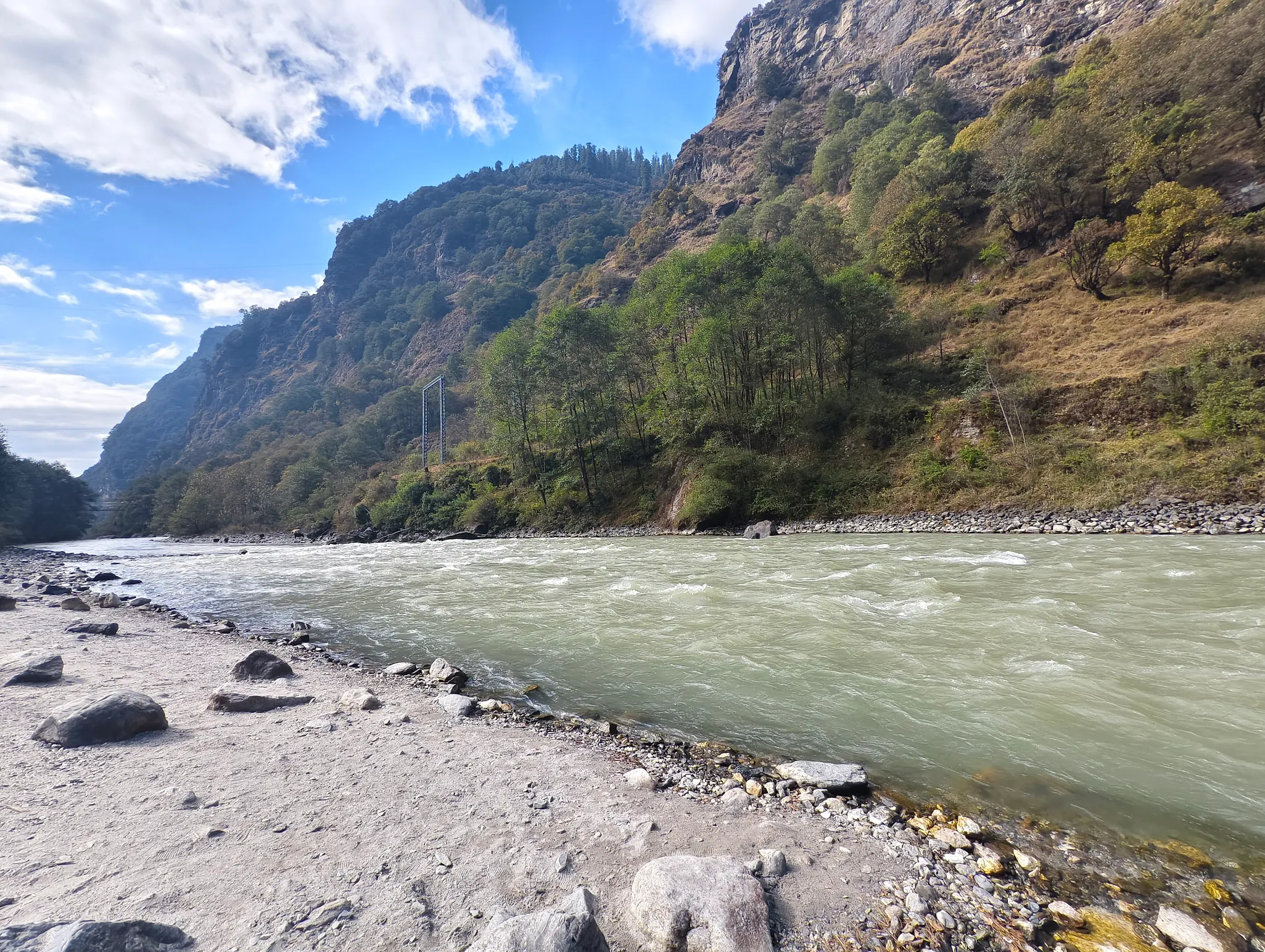
Why Assam, Meghalaya & Arunachal Pradesh Belong in One Trip
We've been building Northeast India itineraries for years, and this three-state combination is the one people come back raving about most. It isn't a "tick the boxes" tour — it's three genuinely different Indias stitched into one journey. Assam gives you the wide, muddy majesty of the Brahmaputra and its wildlife. Meghalaya gives you the cool, misty plateau of the Khasi Hills with its rivers and root bridges. Arunachal Pradesh gives you something else entirely: high Himalayan passes, Buddhist monasteries, and valleys so remote that many Indians have never met someone who has been there.
Geographically, this works because Guwahati sits at the crossroads of all three. Shillong in Meghalaya is a 3-hour drive south. Tawang in Arunachal Pradesh is a genuine two-day drive north, climbing from tropical plains to alpine passes above 13,000 feet. That distance is precisely what makes the trip feel like three holidays in one rather than a single, samey circuit — but it also means this itinerary rewards proper planning far more than a single-state trip would.
There's a cultural layer here too, which is part of what makes this combination so compelling. In a fortnight you can go from the Vaishnavite chanting halls of Majuli in Assam, to the matrilineal Khasi villages of Meghalaya where daughters inherit the family home, to the Monpa Buddhist communities of Tawang where monastery bells mark the hours. Three tribal worlds, three landscapes, three climates — and remarkably, all reachable from one starting point.
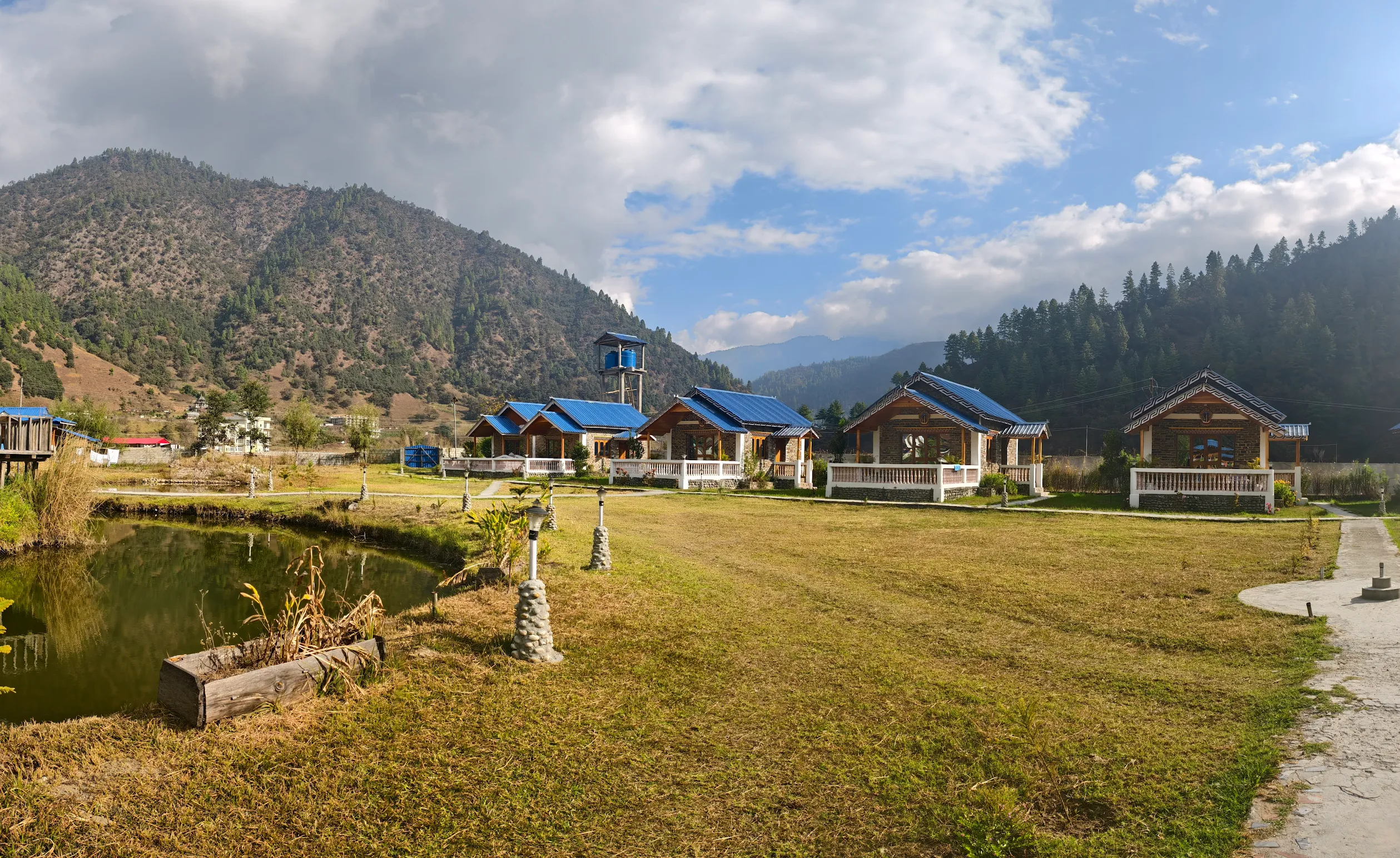
In this guide, we'll walk you through exactly how to plan this trip well — the itinerary lengths that actually work, the permits you'll need for Arunachal Pradesh (this is the one piece that trips up first-timers), the places worth your time in each state, and the practical details that separate a smooth three-state journey from an exhausting one.
Assam Meghalaya Arunachal Pradesh Tour Package Options at a Glance
Before diving into day-by-day plans, it helps to understand what each trip length can realistically deliver. A single-state Meghalaya trip can work in 5 days. This three-state version cannot — and pretending otherwise is the single biggest planning mistake we see. Arunachal Pradesh alone eats up 2 days of driving each way from Guwahati if you're heading to Tawang, and that has to be budgeted honestly.
The other factor unique to this itinerary is the Arunachal Pradesh Inner Line Permit (ILP), which every Indian citizen needs before entering the state. It's simple to get, but it needs to be arranged in advance — unlike Assam and Meghalaya, which require zero paperwork for Indian travellers.
- Day 1–2: Guwahati, Kamakhya, Kaziranga safari
- Day 3: Guwahati → Shillong
- Day 4: Shillong & Laitlum Canyons
- Day 5: Cherrapunji waterfalls & caves
- Day 6: Dawki river & Mawlynnong village
- Day 7: Bhalukpong — a first taste of Arunachal
- Day 8: Return to Guwahati, depart
- Day 1–2: Guwahati & Kaziranga
- Day 3–4: Shillong, Cherrapunji
- Day 5: Dawki & Shnongpdeng camp
- Day 6: Mawlynnong → Guwahati
- Day 7–8: Bhalukpong → Dirang, Sela Pass
- Day 9: Tawang Monastery (quick visit)
- Day 10: Return & depart
- Day 1–2: Guwahati & Kaziranga
- Day 3–4: Bhalukpong → Dirang
- Day 5–6: Tawang, Sela Pass, Madhuri Lake
- Day 7: Return leg to Shillong
- Day 8: Shillong & Laitlum Canyons
- Day 9: Cherrapunji
- Day 10: Nongriat root bridge trek
- Day 11: Dawki & Shnongpdeng
- Day 12: Mawlynnong, depart from Guwahati
- Day 1–2: Guwahati, Kaziranga, Majuli
- Day 3–6: Bhalukpong, Dirang, Tawang, Bomdila
- Day 7–8: Ziro Valley (Apatani villages)
- Day 9–11: Shillong, Cherrapunji, Nongriat
- Day 12–13: Dawki, Shnongpdeng, Mawlynnong
- Day 14: Depart from Guwahati
- Day 1–3: Guwahati, Kaziranga, Majuli, Sivasagar
- Day 4–9: Bhalukpong, Dirang, Tawang, Bomdila, Ziro
- Day 10–14: Shillong, Cherrapunji, Nongriat, Dawki
- Day 15–16: Mawlynnong, Mawphlang Sacred Grove
- Day 17: Depart from Guwahati
Apply for your Arunachal Pradesh ILP the moment your dates are fixed — ideally 5 to 7 days before departure. Don't compress Tawang into anything shorter than 9 nights total. The mountain roads take real time, and travellers who try to rush the Dirang–Tawang stretch usually end up seeing it through a rain-streaked windshield instead of properly, on foot, with time to breathe.
Detailed Itineraries: Day-by-Day Plans for Assam, Meghalaya & Arunachal Pradesh
The Essential Introduction: 7 Nights / 8 Days
This is the shortest version that still genuinely covers all three states — even if the Arunachal leg here is more of an appetiser than a full course. It's ideal for travellers with a tight calendar who still want the "three states in one trip" bragging rights.
The Complete Circuit: 11 Nights / 12 Days (Our Most Recommended)
This is the itinerary we point most people towards, because it doesn't shortchange any of the three states. It includes the full Tawang circuit rather than a border-town glimpse, the Nongriat root bridge trek in Meghalaya, and enough breathing room that the mountain driving days don't feel punishing.
For the Deeply Curious: 13N14D and Beyond
With 13 to 17 nights, you can add the parts of this circuit that most tour operators skip entirely because they take real time. Ziro Valley in Arunachal Pradesh's Lower Subansiri district — home to the Apatani tribe, with pine-fringed rice paddies and a UNESCO World Heritage tentative listing — needs its own 2 days off the Tawang route via Itanagar. Majuli, the world's largest river island on the Brahmaputra, adds a completely different Assam experience: Neo-Vaishnavite monasteries (satras), mask-making villages, and a slower, more rural pace than Kaziranga or Guwahati offer. For the truly committed, Namdapha National Park in eastern Arunachal Pradesh and the rainforest circuits around Pasighat and Along (Aalo) sit at the far edge of what most tourists ever see in Northeast India — remote, sparsely visited, and unforgettable for exactly that reason.
Top Places to Visit Across Assam, Meghalaya & Arunachal Pradesh
Each state on this circuit has its own personality, so we've split the highlights by state below. Most well-planned itineraries touch on at least two or three places from each list.
Assam — The Gateway State
Kaziranga National Park
A UNESCO World Heritage Site holding roughly two-thirds of the world's greater one-horned rhinoceros population, alongside tigers, wild elephants, and swamp deer across Brahmaputra floodplain grasslands.
Wildlife IconGuwahati & Kamakhya Temple
The region's gateway city and biggest hub. Kamakhya Temple on Nilachal Hill is one of the most significant Shakti Peeth shrines in India, with the Brahmaputra riverfront just below.
Base CampMajuli Island
The world's largest river island, formed by the Brahmaputra, and home to Neo-Vaishnavite monasteries (satras), mask-making artisans, and a rural pace unlike anywhere else in Assam.
Off the Beaten PathSivasagar
The former capital of the medieval Ahom dynasty. The Rang Ghar amphitheatre and the multi-storeyed Talatal Ghar are among the finest surviving examples of Ahom architecture in India.
Heritage StopMeghalaya — Rivers, Root Bridges & Rain
Shillong
The Meghalaya state capital at 1,496 m, with colonial-era architecture, a famed live-music scene, and quick access to viewpoints like Laitlum Canyons and Umiam Lake.
Base CampCherrapunji (Sohra)
One of the wettest places on Earth: cavernous limestone caves, towering waterfalls, and views stretching into the Bangladesh plains. Nohkalikai Falls here is India's tallest plunge waterfall.
Essential StopDawki & Umngot River
One of India's most photographed river scenes. The Umngot is so transparent that boats appear to hover mid-air over the riverbed — a boat ride here is non-negotiable.
Most PhotographedNongriat & Root Bridges
Descend 3,500 steps through jungle to reach the world-famous Double-Decker Living Root Bridge, grown by the Khasi people across generations, plus Rainbow Falls close by.
UNESCO NominationArunachal Pradesh — Monasteries, Passes & Remote Valleys
Tawang
Home to Tawang Monastery, the second-largest Buddhist monastery in the world after Lhasa, plus a moving war memorial and sweeping Himalayan views at over 10,000 ft.
Spiritual HeartDirang & Sela Pass
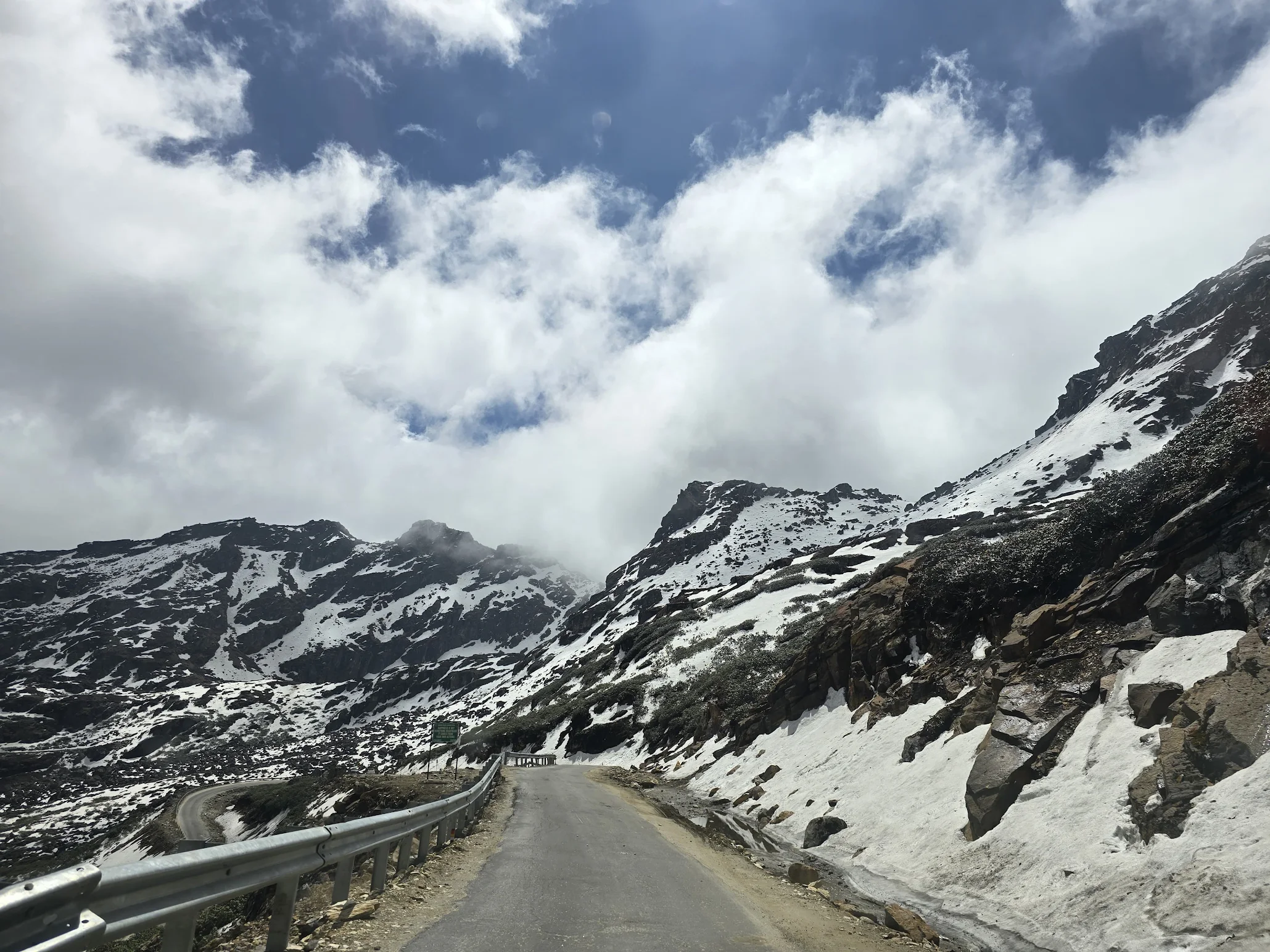
Apple orchards, natural hot springs, and a centuries-old monastery-fort in Dirang; then the dramatic high-altitude crossing of Sela Pass (roughly 13,700 ft) en route to Tawang.
Mountain GatewayZiro Valley
Home to the Apatani tribe, with pine-fringed paddy fields and a distinctive farming culture. Hosts the popular Ziro Festival of Music each September, and sits on UNESCO's tentative heritage list.
Cultural GemBomdila
The gateway town on the road to Tawang, with a cluster of monasteries, apple and kiwi orchards, and clear-day views of the Kangto and Gorichen peaks.
Gateway TownDon't Skip These — Underrated Places Across the Three States
- Nameri National Park (Assam) — A quiet riverside eco-camp near Bhalukpong, known for hornbill birdwatching and gentle rafting on the Jia Bhoroli river. A relaxed way to break the drive into Arunachal Pradesh.
- Mawphlang Sacred Grove (Meghalaya) — An ancient forest preserved for centuries under Khasi sacred law, where nothing — not even a fallen leaf — may be removed. Best experienced with a local guide.
- Krang Suri Falls (Meghalaya) — A turquoise pool near Jowai in the Jaintia Hills, far less crowded than Cherrapunji's waterfalls but every bit as striking.
- Sangetsar Lake / Madhuri Lake (Arunachal Pradesh) — A landslide-formed alpine lake near Tawang, still and mirror-calm, framed by bare mountain slopes.
- Nuranang Falls (Arunachal Pradesh) — A dramatic single-drop waterfall near Jang village on the way to Tawang, easy to reach and rarely crowded.
Permits You'll Need: ILP & PAP Explained
This is the one part of an Assam-Meghalaya-Arunachal Pradesh tour that genuinely differs from a Meghalaya-only or Assam-only trip, so it deserves its own section. The short version: Assam and Meghalaya need no paperwork for Indian citizens, but Arunachal Pradesh is a protected area, and every non-resident Indian citizen needs an Inner Line Permit (ILP) before entering.
State-by-State Breakdown
Assam: No permit required for Indian citizens. Foreign nationals travelling the standard tourist circuit (Guwahati, Kaziranga, Majuli, Sivasagar) generally need nothing beyond a valid Indian visa, though a few remote border pockets near Arunachal Pradesh, Bhutan, or Nagaland can carry local restrictions.
Meghalaya: No permit required for Indian citizens. Foreign nationals should simply carry their passport; some restricted zones close to the Bangladesh border may need prior approval, but the main circuit (Shillong, Cherrapunji, Dawki, Mawlynnong, Nongriat) is freely open.
Arunachal Pradesh: An Inner Line Permit (ILP) is mandatory for every Indian citizen who isn't a resident of the state, whether you're heading to Tawang, Ziro, or anywhere else within it. Foreign nationals instead need a Protected Area Permit (PAP), which works very differently.
- Apply online through the official Arunachal Pradesh ILP portal, well ahead of your travel dates — 5 to 7 days is a comfortable buffer.
- Upload a valid photo ID — Aadhaar, voter ID, or passport — along with a passport-size photograph. Make sure your name matches the ID exactly.
- List the specific circuit you plan to visit (e.g. "Tawang Circuit" or "Ziro Circuit") — the permit is only valid for the districts you declare.
- Pay the modest processing fee online and download the permit once it's approved — typically within 24-48 hours, faster outside peak season.
- Carry both a printed copy and a saved photo of the permit on your phone — checkpoints at entry gates like Bhalukpong will ask for it.
Foreign nationals do not use the ILP system at all. Instead, they need a Protected Area Permit (PAP), arranged through the Ministry of Home Affairs and almost always handled by a registered tour operator on the traveller's behalf. Applicants typically need to travel as part of a group of at least two people, and the process can take several weeks — so this needs to be built into your planning timeline well before booking flights, not left until you're already in India.
One more thing worth knowing: an ILP or PAP is strictly an entry-and-travel permit. It doesn't grant any right to purchase land or property in Arunachal Pradesh, which remains governed by customary tribal land law regardless of how long a permit is valid for.
Best Time to Visit for an Assam Meghalaya Arunachal Pradesh Tour
With three states and three different terrains in play, timing matters more here than on a single-state trip. The good news: there's a wide window, roughly October through April, where all three line up nicely.
| Month | Season | Weather | Region Notes | Verdict |
|---|---|---|---|---|
| Oct – Nov | Post-monsoon | Cool, clear skies | Kaziranga safaris resume; Sela Pass clear; Meghalaya waterfalls still full | Best Time |
| Dec – Feb | Winter | Cold (Shillong 5–15°C; Tawang can dip below 0°C) | Stunning but very cold in Tawang; occasional heavy snow can briefly close Sela Pass | Best Time* |
| Mar – May | Spring | Warm, flowering, rhododendrons in bloom | Comfortable everywhere; Kaziranga safaris close around late May | Best Time |
| Jun | Pre-monsoon | Warm, first rains arriving | Kaziranga closed; Meghalaya roads getting slick; Arunachal landslide risk rising | Decent, With Caution |
| Jul – Sep | Peak Monsoon | Extremely heavy rain across the region | Kaziranga fully closed; mountain roads in Arunachal prone to landslides; Meghalaya treks get slippery | Avoid for This Tour |
October to April is the prime window for this specific three-state combination, because it's the only stretch where Kaziranga's safaris are running, Meghalaya's roads and treks are at their safest, and Sela Pass is reliably open. If Tawang is your priority, avoid the very depths of winter (late December-January) unless you don't mind a small chance of a weather-related delay at the pass — carry buffer days if you're travelling then.
How to Reach & Get Around Assam, Meghalaya & Arunachal Pradesh
By Air
The nearest major airport is Lokpriya Gopinath Bordoloi International Airport (LGBI), Guwahati — the natural start and end point for almost every three-state tour package. Guwahati connects to Delhi, Mumbai, Bengaluru, Kolkata, Chennai, and Hyderabad. Shillong has a small airport with limited connectivity, mainly to Kolkata. Arunachal Pradesh now has its own airport, Donyi Polo Airport near Itanagar, with select flights to Guwahati, Kolkata, and Delhi — useful if you're skipping the long overland leg into central Arunachal.
By Train
Guwahati is the main railhead for this region, connected to all major Indian cities. Interestingly, Arunachal Pradesh has its own railhead too: Naharlagun, near Itanagar, with a direct superfast service to New Delhi — a lesser-known but genuinely useful option if you're combining a Ziro Valley or Itanagar visit with the rest of the trip.
By Road
This is fundamentally a road trip once you're past Guwahati. NH-6 to Shillong is smooth and well maintained. The route into Arunachal Pradesh via Bhalukpong, Dirang, and Sela Pass to Tawang is scenic but slow, winding, and occasionally affected by landslides or snow — hiring an experienced local driver who knows the route is strongly recommended rather than optional. Fuel stations thin out noticeably between Bomdila and Tawang, so top up whenever you see one.
Assam & Meghalaya: No permit needed for Indian citizens — just a valid government ID.
Arunachal Pradesh: ILP mandatory for Indian citizens (apply online in advance); PAP mandatory for foreign nationals (arrange through a registered tour operator well ahead of travel). See the permits section above for the full walkthrough.
What to Pack for a Three-State Northeast India Tour
Few Indian trips demand this much climate range in one bag. You'll likely be sweating in Guwahati's humidity and shivering at Sela Pass within 72 hours, so packing smart matters more here than on most trips.
Clothing
- A proper insulated jacket, thermals, gloves, and a warm hat for Tawang and Sela Pass — temperatures there can drop well below what "winter in Shillong" prepares you for.
- Light, breathable clothing for Guwahati and Kaziranga, where humidity and heat can be considerable, especially outside deep winter.
- Layer everything — a base layer, a mid layer, and a shell you can add or remove as you move between plains and passes.
Footwear & Gear
- Sturdy trekking shoes with good grip for the Nongriat root bridge trek — the steps are slippery even in dry weather.
- Comfortable closed shoes for monastery visits in Tawang and Bomdila, where floors can be cold stone.
- Motion sickness tablets — the Dirang-Sela-Tawang stretch is a long, winding mountain drive.
Essentials
- Printed and digital copies of your Arunachal Pradesh ILP, plus a valid photo ID — checkpoints ask for both.
- A power bank — electricity can be unreliable in remote Arunachal towns and Meghalaya campsites alike.
- Cash — ATMs are reliable in Guwahati, Shillong, and Tawang town, but sparse in Dirang, Bomdila, Ziro, Dawki, and Nongriat.
- Basic altitude-comfort supplies — plenty of water, a mild painkiller, and realistic expectations about pacing yourself above 10,000 ft.
Food, Tribes & Culture Across Assam, Meghalaya & Arunachal Pradesh
This trip crosses more distinct cultures in two weeks than most Indian journeys manage in a month. Assamese, Khasi, and Monpa/Apatani communities each bring their own language, food, and customs — understanding a little about each makes the trip considerably richer.
What to Eat in Each State
- Khar (Assam) — A distinctive alkaline dish made using a filtered extract of sun-dried banana peel or papaya stem, often paired with raw papaya or fish. Utterly unlike anything else in Indian cuisine.
- Masor Tenga (Assam) — A light, tangy fish curry souring with tomato or elephant apple, usually eaten at the end of an Assamese meal.
- Jadoh (Meghalaya) — Rice cooked with pork and spices, the defining dish of Khasi cuisine, best eaten at a small local eatery in Shillong.
- Thukpa & Momos (Arunachal Pradesh) — Warming Tibetan-influenced noodle soup and steamed dumplings, a Tawang staple that tastes even better after a cold day at Sela Pass.
- Zan & Butter Tea (Arunachal Pradesh) — Zan is a fermented millet or maize porridge eaten across several Arunachal tribes; butter tea (locally called suja) is the classic accompaniment in Monpa Buddhist households.
Three Cultures, Three Ways of Life
Meghalaya's Khasi society is famously matrilineal — children take the mother's surname, property passes through daughters, and the youngest daughter traditionally inherits the family home. Arunachal Pradesh's Monpa community, concentrated around Tawang, follows Tibetan Buddhism closely, and life in these towns still visibly revolves around monastery routines and festivals. Further into Ziro Valley, the Apatani tribe has a distinctive wet-rice farming system recognised for its ecological sophistication; older generations sometimes carry traditional facial markings and nose plugs from a custom that's now largely discontinued among younger Apatani, and it's best treated with quiet respect rather than curiosity aimed at any individual.
Cultural Customs to Keep in Mind
Dress modestly when visiting villages and monasteries — covered shoulders and knees are appreciated everywhere on this route. Ask before photographing people, especially monks, elders, and women. Inside monasteries, remove your shoes where indicated, walk clockwise around chortens and prayer wheels, and avoid pointing your feet towards Buddha images. In Mawphlang Sacred Grove, follow your guide's instructions strictly; removing anything, even a leaf, is considered deeply disrespectful. Across all three states, genuine curiosity and basic courtesy tend to open doors that a rushed, camera-first approach never will.
Insider Travel Tips & Common Mistakes to Avoid
-
Apply for your Arunachal Pradesh ILP the moment your dates are locked in. It's a simple process, but it's the one document on this entire trip that genuinely cannot be arranged at the last minute.
-
Never schedule Tawang for under 4 dedicated days from Guwahati. The road time — roughly two days each way — is not padding, it's the actual journey. Trying to compress it usually means arriving exhausted and leaving early.
-
Book Kaziranga safari slots well ahead, especially around Durga Puja and through the November-December peak — permits and jeeps sell out days in advance during high season.
-
Build in one buffer day for the Arunachal Pradesh leg. Landslides after fresh rain or a snow-closed Sela Pass in deep winter can delay road travel by a day; a buffer keeps a delay from wrecking the rest of your trip.
-
Carry more cash than feels necessary. ATMs thin out fast once you leave Guwahati, Shillong, and Tawang town — Dirang, Bomdila, Ziro, Dawki, and Nongriat are largely cash-only.
-
Fuel up whenever you see a petrol pump in Arunachal Pradesh. Stations between Bomdila and Tawang are genuinely sparse, and running low mid-mountain is not a situation you want.
-
Network coverage varies sharply. Airtel and BSNL tend to work best across Arunachal Pradesh's border areas and Meghalaya's Dawki-Cherrapunji belt; Jio and Vi degrade quickly outside major towns. Download offline maps before you set out.
-
Hire a driver who has actually done the Dirang-Sela-Tawang stretch before. Local knowledge of weather windows, checkpoint timings, and road conditions matters more on this leg than anywhere else in the trip.
Ready to Plan Your Assam Meghalaya Arunachal Pradesh Trip?
Our Northeast India travel experts have personally driven every stretch of road in this guide — from Kaziranga's grasslands to Sela Pass. Tell us your dates and we'll craft a custom three-state itinerary, permits included, completely free, in 24 hours.
Frequently Asked Questions About Assam Meghalaya Arunachal Pradesh Tour Packages
A Final Word on Travelling Assam, Meghalaya & Arunachal Pradesh Together
This isn't a trip you squeeze into a long weekend. It asks for real time — for the driving days into the mountains, for the permit paperwork arranged a week ahead, for the extra night in Tawang instead of rushing back down. In exchange, it hands you three genuinely different Indias inside a single journey: the wide grasslands of the Brahmaputra, the misty root-bridge valleys of the Khasi Hills, and a Himalayan monastery town that feels a world away from either. Plan it with a little patience, and this three-state circuit rewards you many times over.